
Iranian Missile Injures 8 US Marines in Strait of Hormuz
Eight US Marines were hurt when an Iranian missile hit their vessel in Hormuz, as Trump rejected Iran's peace plan.
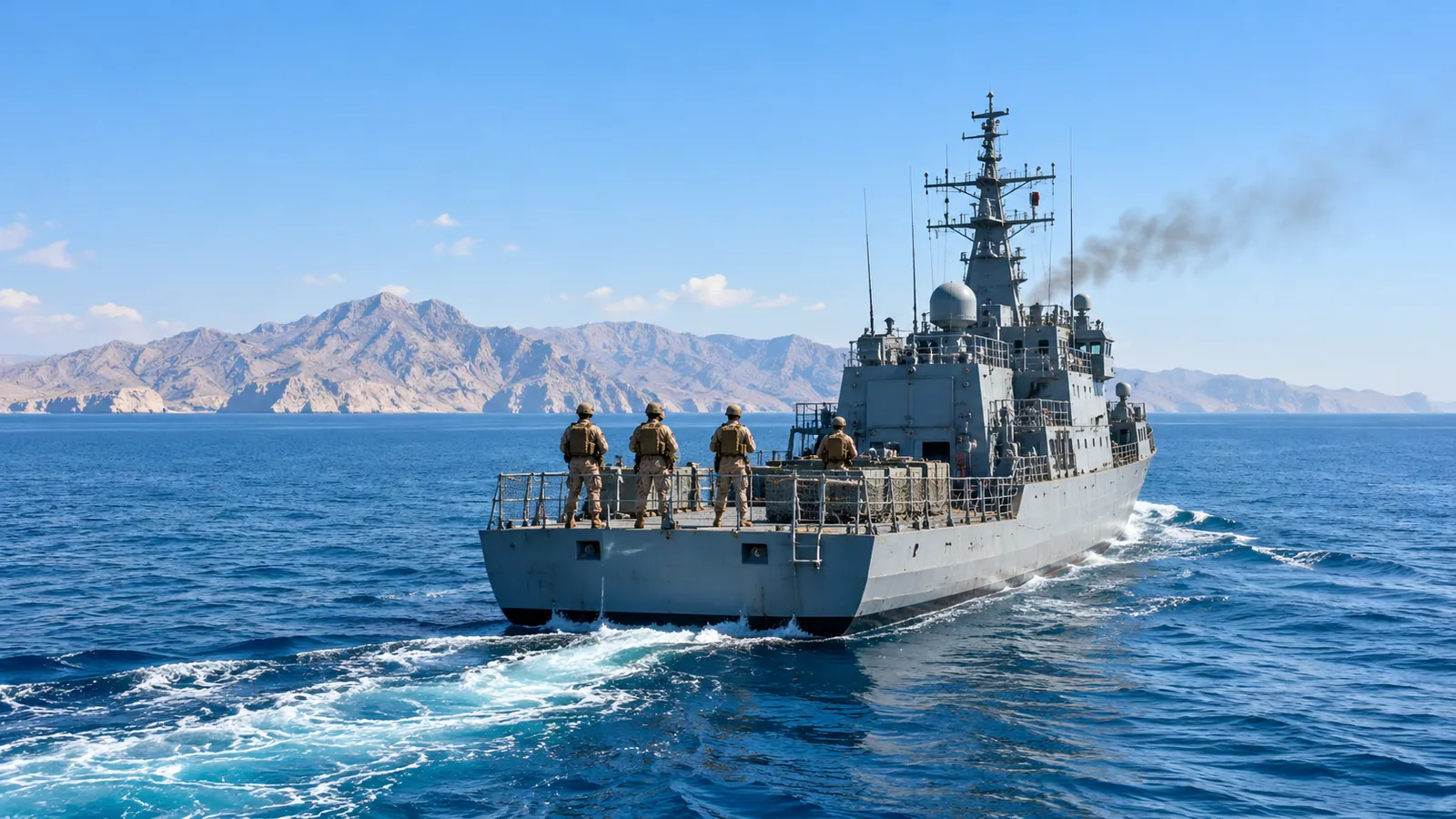
Eight American Marines were hurt when an Iranian anti-ship cruise missile struck the vessel they were working on in the Strait of Hormuz on September 14. The attack was kept out of public view for two weeks. It came to light only on Sunday, when NBC News reported it, citing three US officials.
The news broke on the same weekend that US President Donald Trump turned down an Iranian plan to reopen the strait and pause the fighting. Iran says only talks can end the war. For Pakistan, which gets most of its oil from the Gulf, every week the strait stays closed means more pressure on petrol prices and household budgets.
What happened to the Marines
According to the officials, none of the Marines was badly hurt. They breathed in smoke and showed signs of concussion, such as headaches, so they are being treated as having possible traumatic brain injuries. Seven were enlisted soldiers and one was an officer.
The eight were part of a battalion landing team, a group of Marines trained to go ashore from ships. Officials said the vessel was not a US Navy warship. They would not say what kind of ship it was, what it was doing or exactly where it was hit. All eight Marines went back to duty soon after the attack, and US Central Command declined to comment on the report.
Questions over the casualty count
The Pentagon did not announce the attack when it happened. The eight Marines were added to its official casualty database, called the Defense Casualty Analysis System, almost ten days later. A US official said such delays happen because some symptoms appear late, and because the system is not updated in real time.
As of Wednesday, the database listed 861 American service members as wounded since the war began. The Washington Post reported on Friday that 37 names had just been added, 29 Navy sailors and the eight Marines, without details of how or when they were hurt. The Pentagon has faced growing questions about how it counts and reports casualties in this war.
Trump says no to Iran's seven day plan
Iran presented its peace plan last week at the United Nations General Assembly in New York. It was passed to Washington through Qatari mediators. Under the plan, the US would release frozen Iranian money, lift oil sanctions and end its naval blockade of Iranian ports. Iran's Foreign Minister Abbas Araghchi said the strait could then reopen within seven days, and wider talks could begin, possibly including Iran's nuclear programme.
On Saturday, Trump said the deal was not acceptable. He told reporters at the White House that Iran wanted the strait opened quickly because it was losing badly. The US envoy to the UN, Mike Waltz, told CNN that Iran wanted sanctions relief and its frozen assets up front, with only a promise to talk later. He said Trump did not believe Iran would honestly negotiate an end to its nuclear programme.
Even so, Trump did not close the door. He told Axios on Sunday that he expected US negotiators to hold more talks this week. A White House official told CNN that the United States was in a strong position and was not in a hurry.
Iran says it wants peace but is ready for war
Araghchi said the mediators had not yet officially told Iran about any rejection. He said Tehran would wait for a final answer through them and then decide its next step. Speaking to NBC News, he said he and President Masoud Pezeshkian had come to New York to seek peace, not to sell a war. But he added that Iran was ready for diplomacy and for war at the same time.
Pezeshkian told the CBS programme Face the Nation that Iran was ready to talk about its nuclear programme but would not accept bullying. He said Iran had already agreed not to build nuclear weapons. Iran's army chief, Amir Hatam, took a harder line. According to state media, he warned that if Iran cannot trade, no one in the region will be able to trade either.
This is not the first attempt at a deal. In April, a two week ceasefire was agreed after a last minute appeal from Pakistan, and follow up talks were planned in Islamabad. In June, the two sides signed a memorandum of understanding that eased the blockade and some sanctions in return for Iran reopening the strait. That deal collapsed over its unclear wording, including who would control the waterway, and the strikes started again.
Saudi Arabia pulled deeper into the conflict
The war began on February 28 with US and Israeli strikes on Iran. Since then, it has moved between pauses and fresh attacks, killing thousands of people and badly damaging Iran's economy. Iran has hit US allies in the Gulf with drones and missiles, while its Houthi allies in Yemen have stepped up near daily attacks on Saudi Arabia since a truce broke down in July.
This month, Houthi fighters have pushed back Saudi-backed government forces in Yemen and threatened Saudi oil exports through the Red Sea. On Saturday, the Saudi-led coalition said it shot down two Houthi drones flying towards Riyadh. On Sunday, schools in the Saudi capital told parents that classes would move online for the whole week. No official reason was given.
In Yemen, the health ministry said a strike on shops at a market in Taiz province killed seven people and wounded 40, including children. Yemen's government later said its forces had targeted a Houthi camp and vehicles at the same spot. Pakistan is also linked to this part of the story. According to The National, the military chiefs of Saudi Arabia, Pakistan and Turkey met in Riyadh on Saturday to discuss threats to the kingdom, and the three countries signed a joint defence pact last month.
What it means for Pakistan
For ordinary Pakistanis, the biggest effect is felt at the petrol pump. Pakistan buys most of its fuel from abroad, and much of it passes through the Strait of Hormuz. Because of the crisis, the government has moved to daily fuel pricing. For September 26 to 28, petrol was set at Rs391.30 per litre and diesel at Rs408.53 per litre.
Costly fuel quickly pushes up bus fares, freight charges and the price of vegetables and flour. Global oil prices remain high too, with Brent crude trading around 103 dollars a barrel on Friday. Pakistan also has millions of workers in Saudi Arabia and other Gulf countries, and the money they send home is a lifeline for many families. Any wider war in the Gulf puts those jobs at risk.
A deal to reopen the strait would bring real relief to Pakistan's economy. For now, with Trump rejecting Iran's plan and both sides saying they are ready to fight, there is no sign of a quick end. Any news of fresh talks this week will be watched closely in Islamabad, and at every petrol station across the country.