
Saudi Arabia Shoots Down Houthi Missiles, Drones Aimed at Riyadh
Saudi defences destroyed two Houthi missiles and two drones hours after Pakistan, Saudi and Turkish army chiefs met in Riyadh.
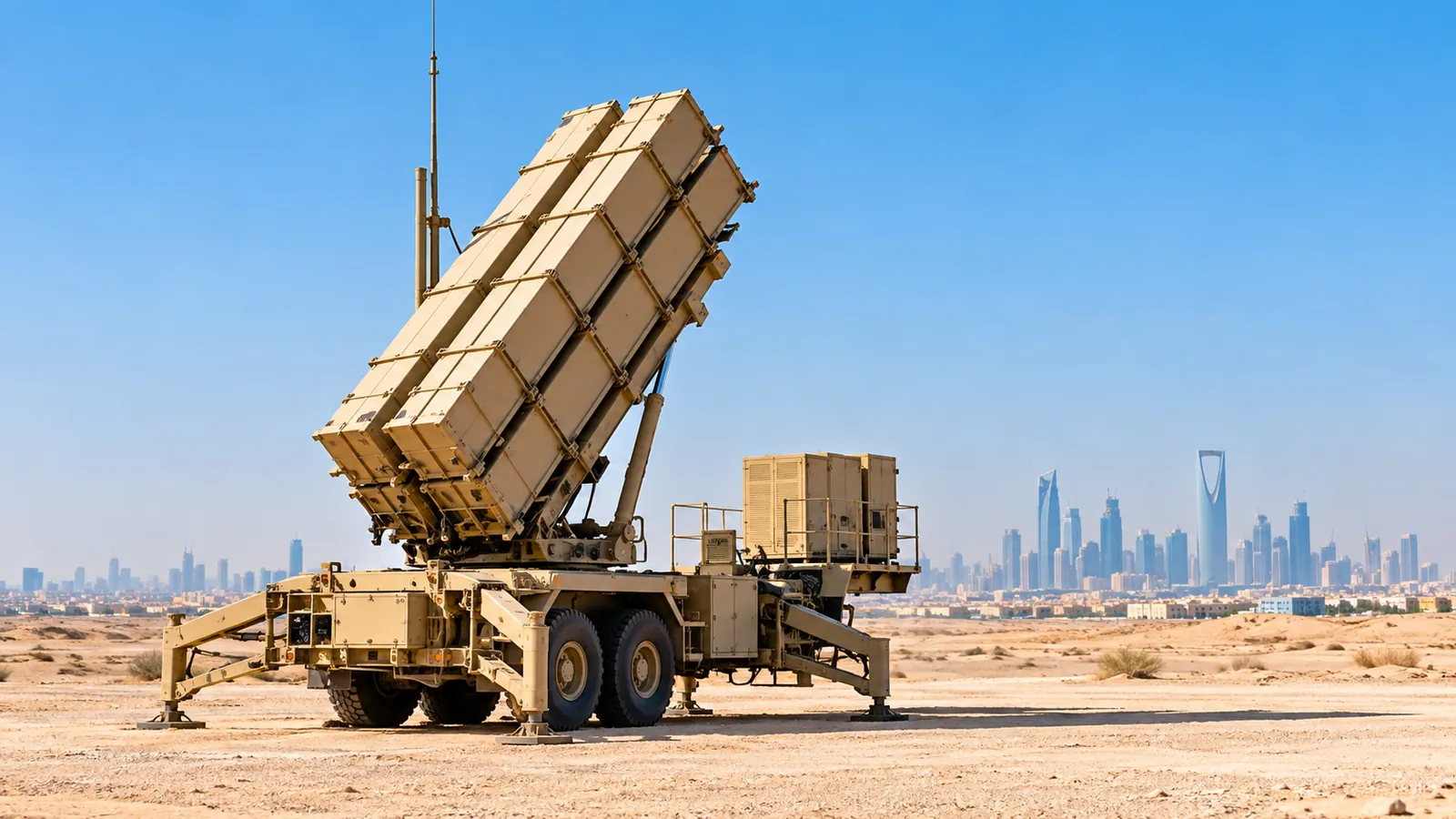
Saudi Arabia shot down two ballistic missiles and two drones fired by Yemen's Houthi group early on Saturday, September 26, 2026. The Saudi-led coalition said the missiles were heading towards the southern city of Khamis Mushait, while the drones were flying towards the capital, Riyadh. The attack came only hours after the army chiefs of Pakistan, Saudi Arabia and Turkey met in Riyadh to discuss the threats facing the kingdom.
Coalition spokesman Turki al-Maliki shared the news in a series of posts on X. His first post came at about 4 am Saudi time and said the two drones near Riyadh had been destroyed. About half an hour later, he said a missile aimed at Khamis Mushait had been shot down. Around 20 minutes after that, he reported that a second missile had also been destroyed.
What Happened Overnight
Saudi Civil Defence sent warning alerts to people in Khamis Mushait and the nearby city of Abha during the night. Both cities are in the Asir region in the southwest of the country, not far from the border with Yemen. No alert was sent for Riyadh. Khamis Mushait is home to a major Saudi air base, which makes it an important military target.
Media reports quoting the Saudi Press Agency said nobody was hurt and there was no damage. The coalition said it was keeping watch on more missile and drone threats but gave no further details. A member of the Houthi political bureau, Hezam al-Asad, called the attack a small practice run before a much bigger escalation. His claim could not be checked independently.
This was the second big attack in three days. On Thursday, September 24, the coalition said it had shot down six ballistic missiles fired at the city of Taif and the Red Sea oil port of Yanbu. Before that attack, Saudi authorities sent short emergency alerts to several areas, including the holy city of Makkah, Jeddah and Tabuk. The Gulf Cooperation Council has strongly condemned the latest attacks on Riyadh and Khamis Mushait.
Why the Houthis Are Attacking Saudi Arabia
The Houthis are an armed group backed by Iran. They took control of Yemen's capital, Sanaa, in 2014 and now rule the most populated parts of the country, including much of the north. A Saudi-led coalition entered the war in 2015 to support Yemen's government. A truce arranged by the United Nations in 2022 then brought about four years of relative calm.
That calm ended this summer. On July 20, 2026, the Houthis declared a naval blockade against Saudi Arabia, calling it revenge for what they describe as a Saudi siege on Yemen. It followed a reported Saudi strike on Sanaa airport. Since then, the group has attacked Saudi ships in the Red Sea as well as Saudi cities and oil facilities. This month, Houthi fighters also moved down the coast and reached Perim Island, near the Bab el-Mandeb strait at the mouth of the Red Sea.
The fighting is linked to the wider war between the United States, Israel and Iran, which began in February. Iran has kept the Strait of Hormuz mostly closed, so the Red Sea became the main other route for Gulf oil. Now that route is under threat too. Inside Yemen, UN figures reported by the media say more than 138,000 people have been forced from their homes since August, about 70,000 of them children.
Pakistan's Army Chief in Riyadh
On Friday, September 25, Pakistan's Chief of Defence Forces and Army Chief, Field Marshal Asim Munir, met Saudi Arabia's Chief of General Staff, General Fayyadh bin Hamed Al-Ruwaili, and Turkey's Chief of General Staff, General Selcuk Bayraktaroglu, in Riyadh. Saudi Arabia had asked for this urgent meeting after weeks of Houthi attacks. According to statements from the Saudi Defence Ministry and Pakistan's military, the three chiefs discussed sharing intelligence, closer military coordination and combining their military strengths. They also condemned Houthi attacks aimed at Makkah and at Saudi civilian and economic sites.
After the meeting, Saudi Defence Minister Prince Khalid bin Salman received Field Marshal Munir. Early on Saturday, the prince said both sides had agreed to continue joint efforts against attacks on the kingdom under their defence pact. He also welcomed the results of the army chiefs' meeting.
What the Makkah Defence Pact Says
Prime Minister Shehbaz Sharif, Saudi Crown Prince Mohammed bin Salman and Turkish President Recep Tayyip Erdogan signed the Makkah Joint Defence Agreement in Makkah on August 7, 2026. Its main promise is simple. An armed attack on any one of the three countries will be treated as an attack on all of them. The pact builds on an earlier deal that Pakistan and Saudi Arabia signed in Riyadh on September 17, 2025.
Pakistan's foreign minister has said the pact is purely defensive and is not aimed at any country. Some experts still have doubts about how it will work in a real war. Analysts at the Arab Center in Washington have pointed out that the full text has not been made public, and that it sets up no joint command and no clear rule for when members must act.
What This Means for Pakistan
For Pakistan, this war is not far away. Reuters reported this month that thousands of Pakistani soldiers and a squadron of fighter jets are already based in Saudi Arabia, and Pakistani officials said in July that some troops are posted near the Yemen border. Pakistan has also been passing messages between Washington and Tehran, and officials worry that open action against the Houthis could harm ties with Iran. Earlier in September, the Foreign Office spokesman said no military response to the Houthi attacks was under discussion. It is not yet confirmed whether Pakistan will take on any new military role after Friday's meeting.
Pakistan faced a similar choice in 2015, when Parliament voted to stay out of the Saudi-led war in Yemen while promising to defend Saudi land. This time, the country is tied to Riyadh by a formal defence pact, so the pressure is much greater.
Ordinary Pakistanis are already feeling the effects at the petrol pump. Petroleum Minister Ali Pervaiz Malik has said Saudi oil supplies are currently cut off because of Houthi attacks, after drones shut down Saudi Arabia's East-West oil pipeline this month. Petrol prices in Pakistan have gone up by around Rs 68 per litre over the past two months. The Petroleum Division says the country has stock for more than 20 days and that supplies for September and October are secured.
Saudi Arabia is also home to a very large number of Pakistani workers. It was Pakistan's biggest source of remittances in the last fiscal year, with about $9.8 billion sent home. Any serious damage to Saudi cities or its economy would hit these families directly. For now, Saudi air defences are stopping the attacks, but the Houthis are promising more, and Pakistan will be watching every step closely.