
US and Iran Discuss Phased Deal to Reopen Strait of Hormuz
US and Iranian negotiators in New York discuss a phased deal to reopen Hormuz and lift the blockade.
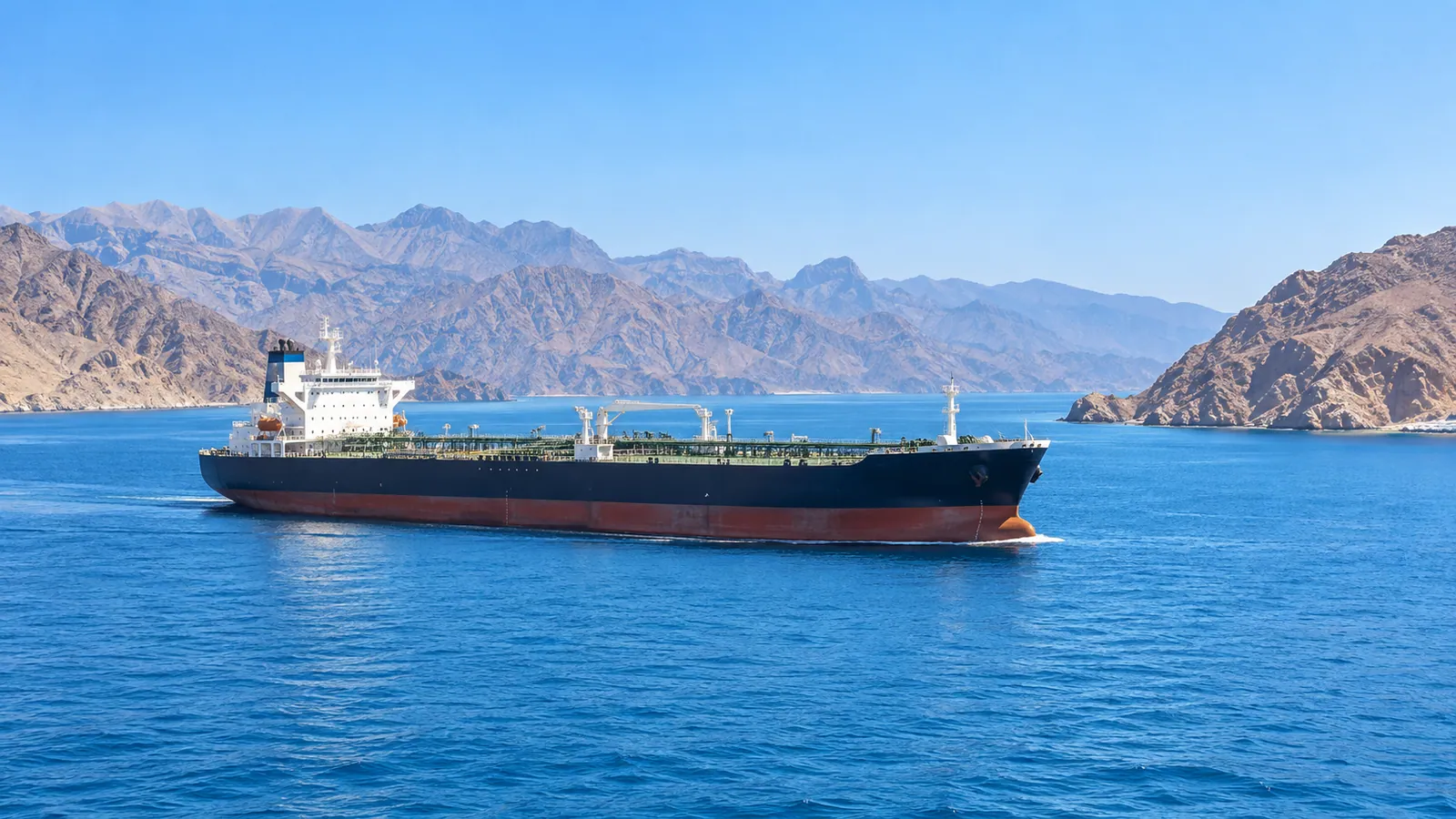
American and Iranian negotiators in New York are talking about a step by step plan to end the war between the two countries, people close to the talks told Reuters on Thursday, September 24. Under the idea, Iran would open the Strait of Hormuz to ships again, and the United States would lift its economic blockade of Iran. The talks are taking place on the sidelines of the UN General Assembly.
No deal has been agreed. Iranian, Western and regional sources say a big problem remains: neither side wants to give up its strongest card first. Still, the talks are a serious sign that the nearly seven month conflict could move toward an end.
What Is on the Table
A senior Iranian official told Reuters that the most realistic way out is to solve the crisis in parts. In the first part, the US would end the blockade and Iran would allow ships to pass through Hormuz again. Iran may also get access to some of its money that is frozen in foreign banks.
The National, a UAE newspaper, reported that Iran has offered a ceasefire across the region for up to 60 days, along with a gradual reopening of Hormuz. According to that report, Qatar, Pakistan and Egypt helped arrange the New York meetings. The same report said President Donald Trump has refused to lift the blockade until Iran shows enough goodwill.
Regional sources also said Iran is ready to take its demand for a fee on ships using Hormuz out of the main deal. It would move this demand to a separate side paper instead, because ending the blockade has become more urgent for Tehran. Gulf countries have already rejected any such fee. One source said Iran may delay the fee issue, but it will not give up its control over how the waterway is run.
Why Neither Side Wants to Move First
The war began on February 28, when the United States and Israel attacked Iran. Iran hit back with missiles and drones and tightly restricted shipping through Hormuz, a narrow sea route that carries about one fifth of the world's oil. After peace talks in Islamabad failed in April, Washington placed a naval blockade on Iranian ports, which has cut off most of Iran's oil exports.
So each side is holding something the other badly wants. Washington controls the pressure that hurts Iran most. Tehran controls a route the whole world needs for energy. A White House official said Iran is "desperate" for a deal, while Trump "holds all the cards." The official said Trump is open to talks but is happy to wait while Iran's economy suffers.
That pressure has grown this month. The US added new sanctions on Iran's remaining commercial airlines and the networks that support them, aiming at the money that keeps the government and the Revolutionary Guards going. Trump warned that Iran's economy could "rot" without a deal. Iran, for its part, says it is also preparing for more fighting. "Our fingers are on the trigger," the senior Iranian official said, adding that he sees very little chance of success because of what he called excessive American demands.
The November Election Factor
Trump has said a deal with Iran could come after the US midterm elections for Congress on November 3. But some experts think both sides have more reason to agree before that date. Dennis Ross, a former US negotiator, put the chance of a deal before the vote at only about 30 percent. He said the blockade is what is really hurting Iran.
A deal before November could help Trump at home. Opening Hormuz would calm the Gulf, keep oil prices in check and bring down petrol prices, which are a sensitive issue for American voters. For Iran, the best chance of getting economic relief may be now, while Trump still has a political reason to bargain. Ross warned that after the election, Trump may feel freer to increase pressure or even think about military steps.
This would not be the first short term fix. A 14 point interim agreement, known as the Islamabad Memorandum of Understanding, was reached in June with Pakistan's help. It aimed to stop the fighting and reopen Hormuz, but it broke down in July. That is why negotiators now say any new deal must be strong enough for both sides to trust. Not everyone is hopeful. Alan Eyre, another former US negotiator on Iran, said the blockade may push Tehran to escalate rather than soften, because Iranian leaders fear that giving ground would finish them.
Gulf States Want Safe Seas
Gulf leaders also met Trump in New York. According to regional sources, they asked what Washington plans to do after the midterms, including whether it would restart military action if Iran walks away from talks. They told him together that they reject any Iranian control over Hormuz and that ships must be free to pass. At the same time, they pushed strongly for calm and a political solution, because they do not want to be pulled into more fighting.
Ebtessam al-Ketbi, head of the Emirates Policy Centre in Abu Dhabi, said Trump's final goal is still unclear, while Iran knows exactly what it wants. She pointed to Iran's influence over both Hormuz and the Bab el-Mandeb Strait, which links the Red Sea to the Gulf of Aden.
Saudi Arabia is also feeling the strain. Amin Nasser, chief executive of Saudi oil giant Aramco, told Nikkei Asia on Thursday that the company can restore damaged oil operations within days. He said Aramco, which is facing growing attacks from Yemen's Houthi group, is studying a fourth and fifth route to export crude oil, beyond its three main ones.
What It Means for Pakistan
For Pakistan, this story is close to home in two ways. First, Pakistan has been one of the main peacemakers. It hosted the Islamabad talks in April between US Vice President JD Vance and Iran's parliament speaker Mohammad Bagher Ghalibaf. Army chief Field Marshal Asim Munir and Interior Minister Mohsin Naqvi visited Tehran in August to push talks forward. On Thursday in New York, Prime Minister Shehbaz Sharif met Iranian President Masoud Pezeshkian and called for restraint and continued diplomacy. Sharif later told reporters that Pezeshkian said the Islamabad agreement is still acceptable to Iran.
Second, ordinary Pakistanis are paying for this war at the petrol pump. Pakistan buys most of its oil from Gulf countries, and much of it travels through Hormuz. Earlier this week the government raised petrol to Rs393.75 per litre, while diesel came down slightly to Rs422.08. Fuel prices in Pakistan now change daily under a new system run by OGRA, so rates can move quickly with world oil prices. This pushes up bus fares and food prices too.
If Hormuz reopens, oil could flow more freely and prices could ease, giving some relief to Pakistani homes and businesses. But nothing is confirmed yet. As one Western official close to the talks put it, everything depends on opening the Strait of Hormuz. Until the two sides agree on who moves first, Pakistan can only wait and watch.