
Afridi Warns of Unprecedented Reaction to Governor's Rule in KP
KP CM Sohail Afridi warns of unprecedented public reaction if governor's rule is imposed, ahead of PTI's October 4 march.
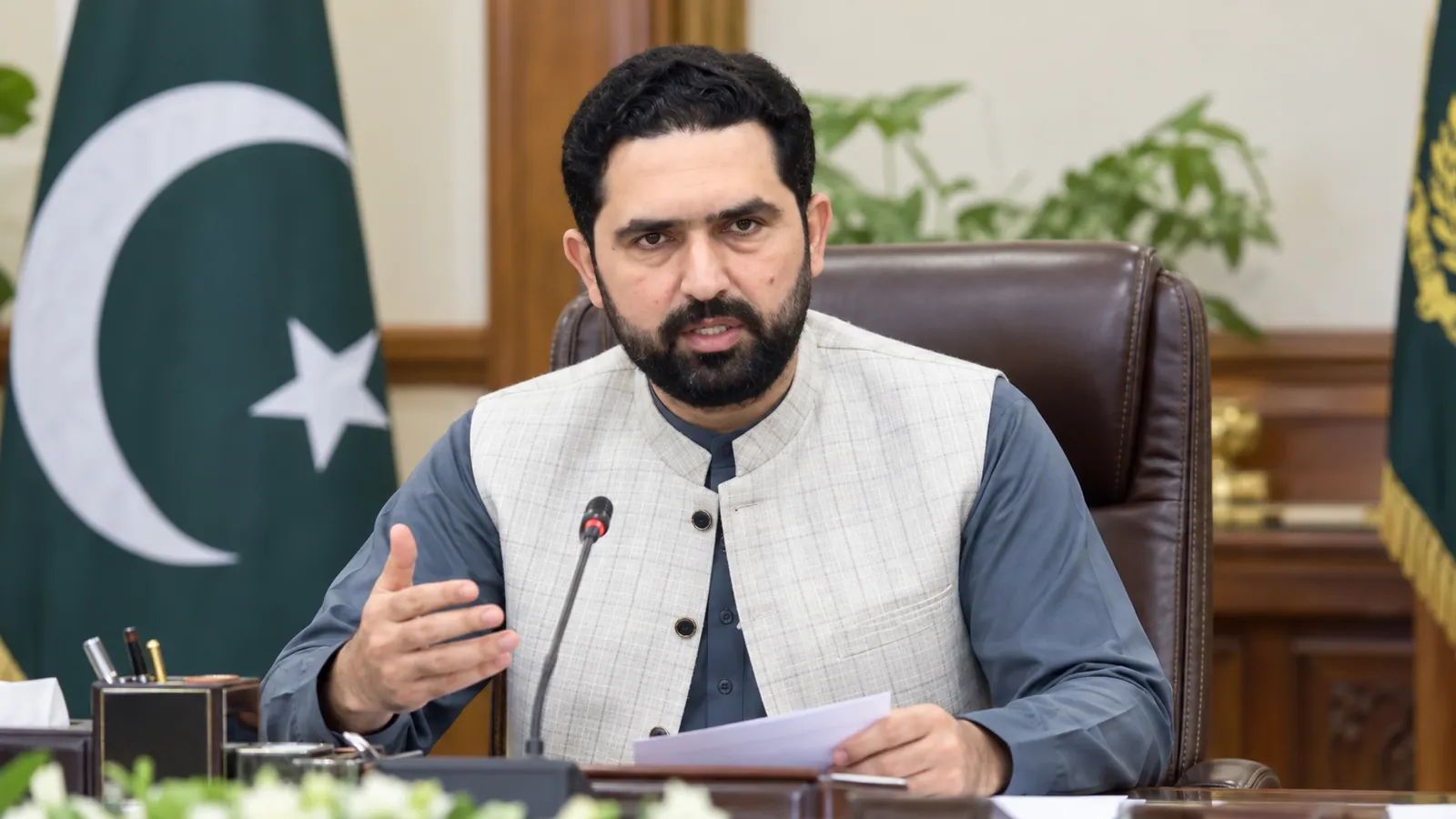
Khyber Pakhtunkhwa Chief Minister Sohail Afridi has warned the federal government that people will react in an "unprecedented" way if governor's rule is imposed on the province. He gave this warning while talking to senior journalists in Peshawar on Saturday, September 26, 2026. His words came just one week before his party, Pakistan Tehreek-e-Insaf (PTI), plans to start its long march from Peshawar to Islamabad on October 4.
Afridi said the government could not "afford" to remove him, either through governor's rule or through disqualification. He also made it clear that he is not attached to his office. "Government means nothing to me, I am a soldier of Imran Khan," he told reporters. If he loses the post, he said, the PTI founder will decide who replaces him.
Why Governor's Rule Is Being Discussed
The talk of governor's rule began earlier this week. On Monday, September 21, Interior Minister Mohsin Naqvi told a press conference in Lahore that the federal government was consulting the Law Ministry on legal options for the province, including governor's rule. He said Prime Minister Shehbaz Sharif would take the final decision.
Naqvi linked the issue to the security situation in the province. A day before his press conference, six Pakistan Army soldiers were killed in a clash with terrorists in Hangu. Naqvi said neither the chief minister nor any provincial minister attended their funeral prayers in Peshawar. He asked how the party could plan a march on Islamabad while soldiers and policemen were losing their lives.
The government's message, however, has not been the same from every side. On Tuesday, Federal Information Minister Attaullah Tarar said the government had no plan to impose governor's rule in the province. KP Governor Faisal Karim Kundi also ruled it out. Still, some PML-N leaders have called it one of the available options on television talk shows, so the question has not gone away.
What Governor's Rule Means
Under governor's rule, the elected provincial government is set aside for a time and the province is run by the governor on behalf of the federal government. Pakistan's Constitution allows this in two main cases. Article 232 covers an emergency caused by war or serious internal disturbance. Article 234 covers a situation where a province cannot be run according to the Constitution.
After the 18th Amendment in 2010, these powers came with more checks. An emergency over internal disturbance now needs a resolution from the provincial assembly. If the President acts without it, the decision must be placed before both houses of Parliament for approval within ten days. Rule under Article 234 also needs approval from Parliament and has strict time limits.
Pakistan has seen this step before. In February 2009, governor's rule was imposed in Punjab after the Supreme Court disqualified Chief Minister Shahbaz Sharif. It was lifted after about a month. In January 2013, Balochistan was placed under governor's rule after deadly bomb blasts in Quetta. Both times, the move caused strong political anger.
The Long March Now Set for October 4
PTI first called for a march on Islamabad on September 27 to demand the release of Imran Khan, who is being held in Rawalpindi's Adiala jail. On Friday, Afridi announced that the party's political committee had moved the date to October 4. The main convoy will start from Peshawar, and groups from other parts of the country are expected to join it on the way.
Afridi called the delay "a matter of strategy" and said all preparations were complete. He said the convoy would return only after achieving what the party calls "real freedom." He also warned that if the government tried any "misadventure," PTI could set out even before October 4. "We are not an armed group, we are political people," he said.
According to Afridi, the party's demands include medical treatment for Imran Khan at a private hospital in Islamabad, and access to his lawyers, family members and party leaders. He said PTI had been approaching every institution for nine months without being heard. He added that court orders allowing weekly meetings with the former prime minister were not being followed.
Door to Talks Still Open
Despite his tough words, Afridi said PTI has never refused to talk. He reminded the government that seven days were left before the march and said any talks should happen now. "We were ready for talks yesterday, and we are ready today as well," he said.
On Friday, Prime Minister Shehbaz Sharif invited Mehmood Khan Achakzai, the Leader of the Opposition in the National Assembly, for direct talks. A PTI spokesman confirmed that the invitation had been received. By Saturday evening, no formal reply had been made public.
At the same time, the war of words is getting sharper. Afridi said the country was being run on the policy of "one man" and described Mohsin Naqvi as that man's representative. He said a statement by the information minister had been planned in advance to paint him as the "B-team" of the banned Tehreek-e-Taliban Pakistan (TTP). Speaking in Islamabad on Saturday, Tarar repeated that charge against PTI and called Afridi a coward for not owning operations against terrorists.
Afghan Border Losses and What It Means for Pakistan
The chief minister also spoke about Afghanistan. He said "unnecessary disputes" were being created with Kabul. He claimed the closure of the Pakistan-Afghanistan border had caused a loss of Rs7 billion this year, while the province could earn about Rs10 billion a year if the border stayed open. He said infiltration was still happening despite the restrictions. These figures come from the chief minister and have not been independently confirmed.
Afridi said his government had prepared a provincial action plan and shared it with the relevant authorities. He wants talks with Afghanistan through a national jirga, a traditional gathering of elders and leaders. The federal government, on the other hand, has defended its current Afghan policy and says terrorists will be wiped out.
For ordinary Pakistanis, the tension is already being felt. Punjab has banned public gatherings under Section 144 until October 5, and a similar ban is in force in Islamabad for two months. The federal government has also approved the deployment of Rangers in Islamabad and several Punjab districts from September 20 to October 5. In past marches, people in the twin cities faced blocked roads, closed motorways, mobile internet cuts and heavy business losses.
Khyber Pakhtunkhwa is home to more than 40 million people and stands on the front line against terrorism. A long fight between the province and the centre could hurt security, trade with Afghanistan and daily life. The next seven days will show whether both sides choose talks or confrontation.