
Oil Crosses $105 Again as US-Iran Peace Talks Stall
Brent crude jumps back above $105 as US-Iran talks stall, raising fresh worries about petrol and diesel prices in Pakistan.
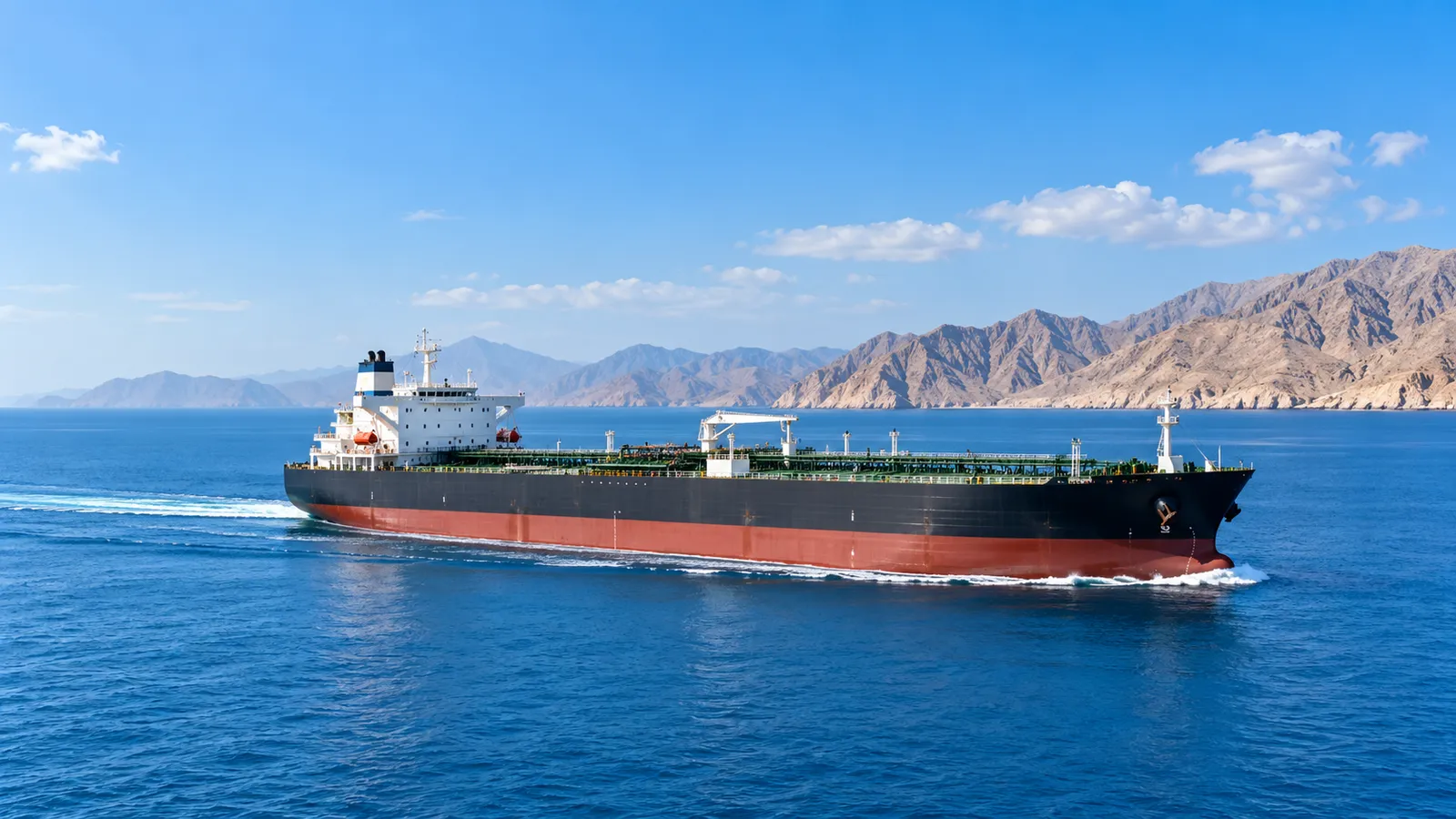
Global oil prices jumped again on Thursday, September 24, 2026. Brent crude, the main international oil price, climbed back above $105 a barrel after peace efforts between the United States and Iran failed to show any real progress. The US oil price, known as West Texas Intermediate (WTI), also rose above $94. For Pakistan, which buys most of its oil from abroad, this is not good news.
Brent rose by $2.54, or almost 2.5 percent, to reach $105.60 a barrel. WTI gained $2.03 to trade at $94.19. Murban crude, an oil from the UAE that many Asian buyers use, jumped nearly 4 percent to $117.50 a barrel.
A Sharp Turn in Just a Few Days
Only a few days ago, the picture looked very different. Earlier this week, Brent slipped below $100 a barrel after falling for six days in a row. It was one of the longest losing runs for oil in more than a year.
Two things pushed prices down. First, Saudi Arabia moved to restart its East-West pipeline. This pipeline carries oil across the kingdom to the Red Sea coast, so tankers can load it without going through the Strait of Hormuz. Second, more ships carrying Saudi oil managed to pass through Hormuz itself. Reports that Iran was ready to talk about reopening the strait also calmed the market.
That calm did not last long. On Wednesday, prices bounced back by around 4 percent. On Thursday, they rose again and crossed $105, as it became clear that talks between Washington and Tehran were stuck.
Mixed Signals From the United Nations
Much of this week's news came from New York, where world leaders gathered for the United Nations General Assembly. In his speech, US President Donald Trump threatened Iran with "annihilation." Yet in the same week, he said American officials had held a "very productive" meeting with Iranian envoys and that more talks were planned.
Iran's President Masoud Pezeshkian gave his reply in his own UN speech. He said Iran was open to peace talks but would not respond to force. According to Reuters, he said the Iranian people "will not bow to pressure."
Iran has set clear conditions for reopening the Strait of Hormuz. It wants the US to lift its naval blockade on Iranian ports, remove sanctions and release Iranian money that is frozen abroad. The US has not rejected these demands outright this time. But it has not agreed to them either, and US statements suggest a lot of work remains before any deal is possible.
Why the Strait of Hormuz Matters So Much
The Strait of Hormuz is a narrow sea passage between Iran and Oman. Before the war, about one fifth of the world's oil passed through it. Oil from Saudi Arabia, the UAE, Kuwait, Iraq and Qatar all depends on this route.
The war began in late February 2026, when the United States and Israel launched strikes on Iran. Since then, shipping through the strait has been badly disrupted. One market report this week said only about 17 vessels were crossing, compared with around 125 before the war. Tanker rents and war insurance costs have also shot up, which adds to the final cost of every barrel.
Prices have swung wildly all year. At the end of April, Brent touched about $126, its highest level in four years. Even after the recent ups and downs, oil is still around 60 percent more expensive than it was at the start of 2026, according to analysts at the Dutch bank ING.
What This Means for Petrol and Diesel in Pakistan
Pakistan changed the way it sets fuel prices in July. Now the Oil and Gas Regulatory Authority (OGRA) fixes petrol and diesel prices every day, without waiting for the cabinet. The price is based on the average of Gulf market fuel prices over the last seven working days. Prices set on Friday stay the same on Saturday and Sunday.
Because of this seven day average, Thursday's jump will not hit petrol pumps all at once. But if oil stays above $105 for several days, the average will rise and local prices will follow within days, not weeks.
In fact, prices for Thursday went slightly down. The government cut petrol by Rs1.93 to Rs390.12 per litre and diesel by Rs4.21 to Rs414.75 per litre. That cut came from the lower oil prices earlier in the week. If the new rise holds, this small relief may soon be reversed.
Item | Latest price |
|---|---|
Brent crude (Sept 24) | $105.60 per barrel |
WTI crude (Sept 24) | $94.19 per barrel |
Petrol in Pakistan (Sept 24) | Rs390.12 per litre |
Diesel in Pakistan (Sept 24) | Rs414.75 per litre |
Families are already feeling the pain. On September 1, petrol cost Rs342.79 per litre. By September 16, it had reached Rs384.34, a rise of more than Rs41 in about two weeks. In April, at the worst point of the crisis, petrol crossed Rs458 per litre, the highest price in Pakistan's history.
Wider Effects on Daily Life and the Economy
For ordinary people, diesel is the bigger worry. Trucks, buses, tractors and goods carriers all run on diesel. When it becomes costly, bus fares go up, and so do the prices of vegetables, flour and other goods that travel by road.
The wider economy is also under strain. Earlier this month, the State Bank of Pakistan kept its policy rate unchanged at 11.5 percent, pointing to inflation risks from the Middle East tensions. On September 10, the KSE-100 index at the Pakistan Stock Exchange lost more than 3,000 points in one day as oil prices surged. A bigger oil bill also means more dollars leave the country, which puts pressure on the rupee.
There is some relief on the supply side. The government has said there have been no fuel shortages in the country during the crisis. Pakistan has also brought in Qatari gas cargoes through Hormuz after an understanding with Iran.
What Comes Next
The direction of oil prices now depends mostly on the talks between Washington and Tehran. If both sides reach a deal that fully reopens Hormuz, prices could fall quickly. If talks break down or fighting grows, some market reports warn that Brent could climb towards $110. This is only a forecast, and nobody can be sure.
For now, Pakistanis should expect fuel prices to keep moving almost every day. Anyone who wants to track the changes can check the daily rates published by OGRA, as the next few weeks are likely to stay uncertain.