
Govt Cannot Afford Petrol Subsidy for All, Says Petroleum Minister
Ali Pervez Malik says Pakistan cannot give petrol subsidy to everyone, warns of winter gas trouble and plans Saudi visit.
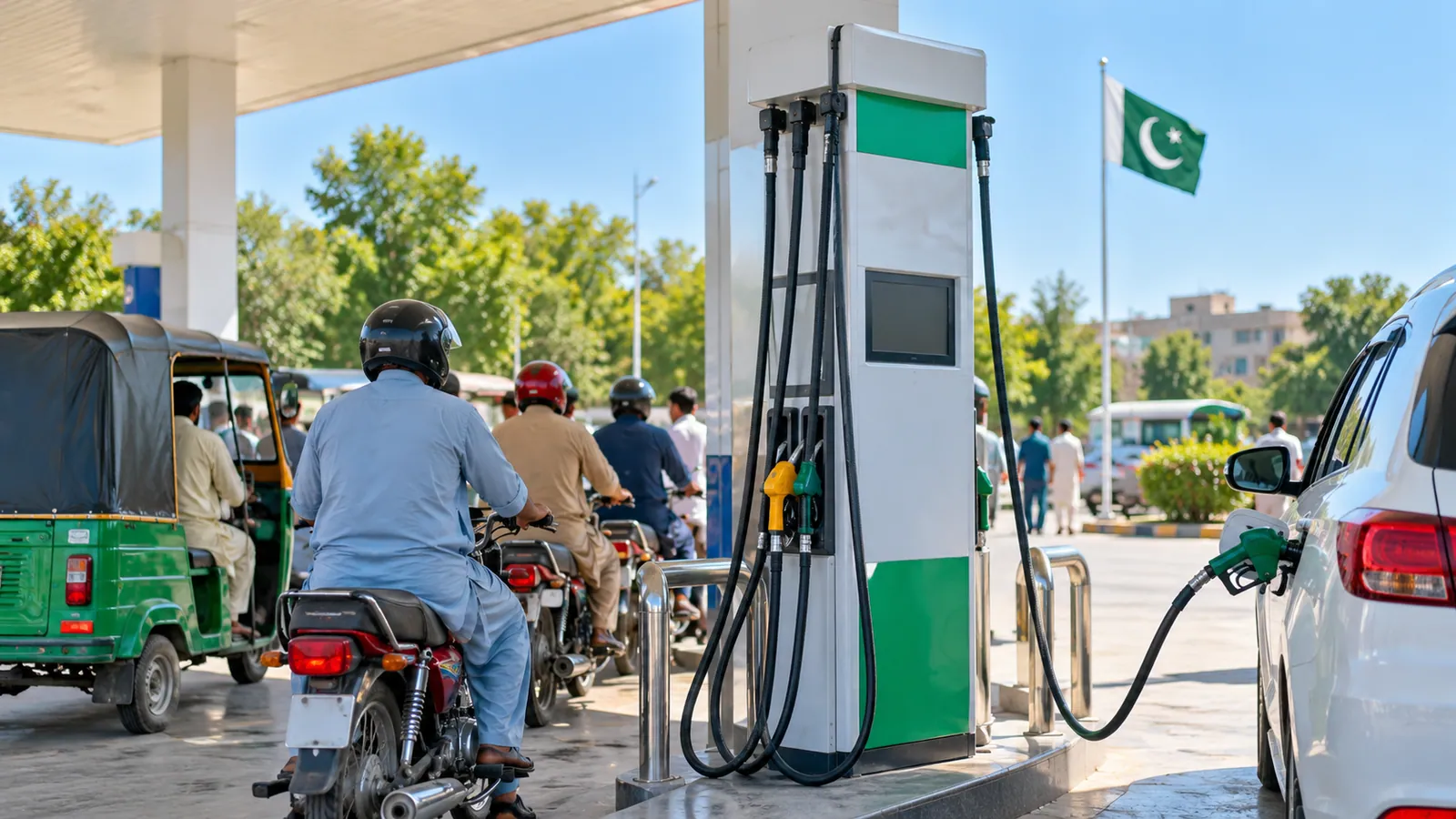
Federal Petroleum Minister Ali Pervez Malik said on Sunday that the government cannot give petrol subsidy to everyone, because the cost of the global oil shock runs into thousands of billions of rupees. Speaking to party workers in his Lahore constituency, he said Pakistan cannot fight this "oil storm" with relief that has no conditions attached.
The warning came a day after petrol rose again to Rs392.76 per litre. It also came as the government prepares for a difficult winter, with gas supplies from Qatar still disrupted by the war around Iran.
Why the Government Says It Cannot Pay for Everyone
Malik said the government must first arrange money before it spends more. If it spends without the funds in hand, he warned, Pakistan could face a crisis like the one in 2022. "We cannot provide unconditional relief until prices come down," he said, according to Daily Pakistan.
The 2022 example is a painful memory for many families. In February that year, the government of the time cut petrol by Rs10 per litre and froze the price, even though world oil prices were climbing. The freeze cost the treasury heavily and held up Pakistan's IMF programme. When it was removed a few months later, petrol prices jumped quickly, and inflation went on to reach a record of about 38 percent in May 2023.
The minister also said petrol prices are not changed at his own choice. They follow world oil prices, he explained, and any fall in global prices will reach Pakistani buyers as well. He claimed that not one extra rupee has been added beyond the effect of global prices.
Taxes, however, still make up a big part of what people pay. According to figures the government shared with the IMF, reported by Daily Pakistan last week, imported petrol costs about Rs250 per litre before taxes and margins. Taxes add nearly Rs110 per litre and various margins add about Rs27.
Targeted Relief Continues, but Its Future Is Unclear
The minister's words do not mean all relief is ending. On September 13, Prime Minister Shehbaz Sharif launched a fuel relief scheme that gives a discount of Rs100 per litre to people who ride motorcycles, drive rickshaws or Qingqis, or own cars up to 800cc. Two and three wheelers can get the discount on up to 20 litres a month, while small cars can get it on up to 30 litres.
To join, people send their CNIC number to 9771 from a SIM registered in their own name, along with their vehicle details. They then send "TOK" to 9771 to get a token before buying petrol. The IT ministry has told citizens not to share their CNIC details with anyone and says there is no fee.
Malik earlier put the cost of this scheme at Rs25 billion to Rs30 billion a month. On September 27, he said more than six million people had registered, and that the scheme could run for another 10 months if needed, paid for by cutting Rs400 billion to Rs500 billion from government spending. This is the line he is drawing: help for selected groups, paid for by savings, rather than cheaper petrol for everyone.
The IMF wants the same approach. According to Daily Pakistan, the lender is pushing Pakistan to end broad fuel subsidies and give support only through targeted programmes. The IMF reportedly believes the three month scheme alone could cost more than Rs75 billion, and whether the scheme will continue after three months has not been confirmed.
How the Iran War Pushed Prices Up
The oil shock the minister spoke about began when the United States and Israel launched strikes on Iran in late February. Before the war, about one fifth of the world's oil passed through the Strait of Hormuz, and most of Pakistan's fuel imports use the same route. Shipping through the strait has been badly disrupted ever since.
Brent crude, the main world oil price, was about $63 a barrel in early January. It went above $115 in March and was still above $107 in late September, after US President Donald Trump rejected an Iranian offer to reopen the strait. In early March, Pakistan raised petrol by Rs55 in one go, the biggest single increase in its history, to Rs321 per litre.
Date | Petrol price per litre |
|---|---|
Before the war (February 2026) | About Rs266 |
Early March 2026 | Rs321.00 |
October 1, 2026 | Rs387.40 |
October 2, 2026 | Rs390.66 |
October 3, 2026 | Rs392.76 |
Prices are now reviewed often, using a seven day average of world prices. The latest rates were notified for October 3 to 5, so a new price is due soon. Diesel, which runs most buses and trucks, now costs Rs399.64 per litre.
Saudi Visit Next Week
Malik will travel to Saudi Arabia next week. He said he will thank the kingdom for keeping oil flowing to Pakistan and show solidarity in a difficult time. He also said Pakistan condemns attacks on Saudi Arabia and stands with it, in coordination with Turkey.
Saudi help has mattered a lot this year. In March, when the Gulf route was blocked, Saudi Arabia agreed to send oil to Pakistan through its Red Sea port of Yanbu. Pakistan also gets Saudi oil on deferred payment, which means it can pay later, worth about $100 million a month according to official figures reported in March. Loading at Yanbu restarted in late September after the pipeline that feeds the port was repaired following a Houthi attack.
A Hard Winter for Gas
The bigger worry may be gas. The minister said he has already briefed the Prime Minister on the problems expected in December, January and February, along with the steps needed before winter. Qatar, Pakistan's main LNG supplier, has extended its force majeure notice, which means it cannot deliver, on shipments through November. Pakistan needs about nine LNG cargoes in December alone.
Gas load management for homes has already started, with supply limited mainly to cooking hours. The government plans to buy 25 to 26 LNG cargoes between November and February from Qatar, friendly countries and the open market, compared with 36 cargoes last winter. Malik said important decisions on the gas plan are expected within days.
Homes that are not on the gas pipeline depend on LPG cylinders. Pakistan has bought more than 60 percent of its LPG from Iran, and that supply has also been hit by the war. The minister said the government will arrange LPG on time to cover the expected gas shortage, but he did not say where the extra supply will come from.
What Happens Next
For ordinary people, the message is clear. Cheaper petrol for everyone will come only if world oil prices fall, and that depends mostly on whether the Strait of Hormuz opens again. Until then, the Rs100 discount for bikes, rickshaws and small cars remains the main help on offer.
The next petrol price notice is due after October 5. Cabinet decisions on the winter gas plan are expected shortly, and the minister's Riyadh visit next week will show whether Saudi oil support continues at the same level.