
US-Iran War Cost Pakistan Rs. 144 Billion in Taxes, Govt Tells IMF
Govt tells IMF the US-Iran war cost Pakistan Rs. 144 billion in taxes, but FBR still expects to meet target.
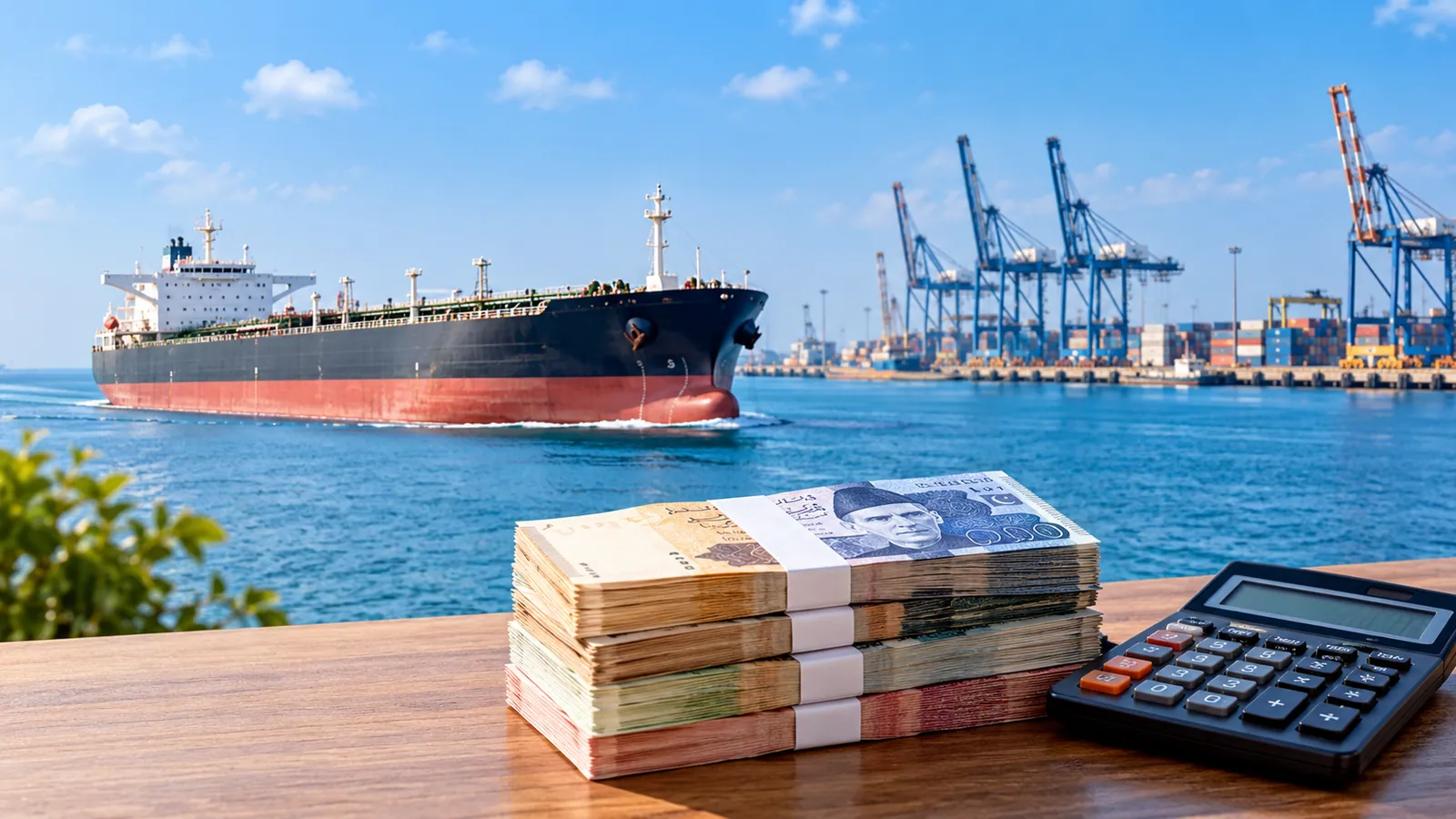
Pakistan's government has told the International Monetary Fund (IMF) that the war between the United States and Iran cost the country an estimated Rs. 144 billion in tax revenue between July and September 2026. Officials shared the figure with the IMF review mission, which is now in Islamabad to check Pakistan's progress under its $7 billion loan programme.
According to the government's briefing, trouble in the Strait of Hormuz pushed fuel prices up and slowed business activity inside Pakistan. This mainly hurt sales tax and withholding tax that are collected when goods arrive at the country's ports. FBR officials also told the mission that income tax was affected. The Federal Board of Revenue (FBR) has described the Rs. 144 billion figure as a rough estimate, not a final number.
How the War Hit Pakistan's Tax Collection
The war started on February 28, 2026. Since then, Iran has largely closed the Strait of Hormuz, the narrow sea route next to Iran through which Gulf countries send much of their oil and gas to the world. The United States has also placed a naval blockade on Iranian oil shipments. The flow of crude oil, gas and fuel through the route has been badly cut.
Oil prices shot up as a result. In April, Brent crude briefly crossed $126 a barrel, its highest level in four years, up from about $70 before the war. Prices have eased and risen again several times since then. In early September, oil was once more heading towards $100 a barrel after fresh tension between Washington and Tehran.
Pakistan imports most of its oil and gas, much of it from Gulf countries. When fuel becomes costly, factories, transporters and traders cut back, and people spend less. For many years, a large part of FBR's collection has come at the import stage, so when business slows and fewer goods are brought in, the tax collected at the ports also falls. Higher prices can push up some tax in rupee terms, but the government's view is that the overall slowdown did more damage.
FBR Says the Target Will Still Be Met
Despite the loss, the FBR has assured the IMF that it will reach its first quarter target of Rs. 3.053 trillion by September 30. The month by month picture has been mixed. In July, the FBR beat its target and collected Rs. 816 billion after refunds, helped partly by the clearance of around 12,000 vehicles that had been stuck at ports. In August, it fell Rs. 28 billion short of its Rs. 930 billion target.
For September, the target is Rs. 1.343 trillion. The FBR expects to collect about Rs. 1.330 trillion, a little below the goal, but says the extra money from July will help it reach the full three month figure. The final numbers will only be known after the month closes.
If the FBR does meet the target, it will be a clear change from last year. In the first quarter of the last fiscal year, the FBR's target was Rs. 3.083 trillion, but it collected Rs. 2.885 trillion, a shortfall of Rs. 198 billion. The bigger test lies ahead. For the full year 2026-27, the FBR must collect Rs. 15.264 trillion, about 17 percent more than the Rs. 13.01 trillion it collected last year.
The IMF also asked about income tax returns. The FBR said around 4.7 million returns have been filed for Tax Year 2026, compared with 3.2 million at the same time last year. The last date for filing is September 30, 2026. The FBR has not yet announced any extension, and any change would need a formal notice from the tax authority.
What the IMF Mission Is Reviewing
The IMF team is led by Iva Petrova. It is carrying out the fourth review of Pakistan's Extended Fund Facility and the third review of the Resilience and Sustainability Facility, a separate climate programme. The team spent last week in Karachi, where it discussed interest rates, inflation and the exchange rate with the State Bank of Pakistan. Finance Minister Muhammad Aurangzeb formally opened talks with the mission in Islamabad on Tuesday.
If the review goes well, IMF staff will recommend that the Fund's board release about $1.2 billion in two payments under both programmes. Pakistan last received $1.32 billion in May, after the third review was completed. The 37 month loan programme was approved on September 25, 2024, and focuses on keeping the economy stable, rebuilding foreign reserves and bringing more people into the tax net.
The mission was also briefed on a new asset declaration system. About 10,000 federal civil servants in grades 17 to 22 must declare their assets online by October 30, 2026. The briefing said these declarations will be made public, with the restricted information released by December 31, 2026, in line with a deadline agreed with the IMF. Provincial government employees are not part of the scheme for now.
What It Means for Ordinary Pakistanis
For ordinary people, the war has already meant costlier petrol and diesel, which raise the price of transport and food. Worried about the same risk, the State Bank kept its policy rate at 11.5 percent on September 14, saying tension in the Middle East could push inflation up. The government also started a fuel relief scheme this month, but some petroleum dealers have refused to sell fuel under it, calling it a financial burden.
The Rs. 144 billion estimate helps the government explain to the IMF why revenue is under pressure. It is not yet known whether the IMF accepts the figure or whether it will change any targets because of it. In the past, when the FBR has fallen behind, the IMF has asked Pakistan for new tax measures or stronger enforcement to fill the gap. That usually means more pressure on salaried people and registered businesses.
What Happens Next
The next few days are important. September 30 is the deadline for both the first quarter tax target and income tax returns, and the FBR usually releases its early collection figures in the first days of October. The IMF talks will continue in Islamabad. If both sides reach a staff level agreement, the IMF board will then decide on releasing the $1.2 billion. Much will also depend on the Strait of Hormuz, because as long as fuel stays expensive, FBR collections will remain under strain.