
PSX Falls 1,332 Points as Oil Prices and Inflation Worry Investors
KSE-100 lost 1,332 points on Thursday as oil prices jumped after China stopped fuel exports and inflation stayed high.
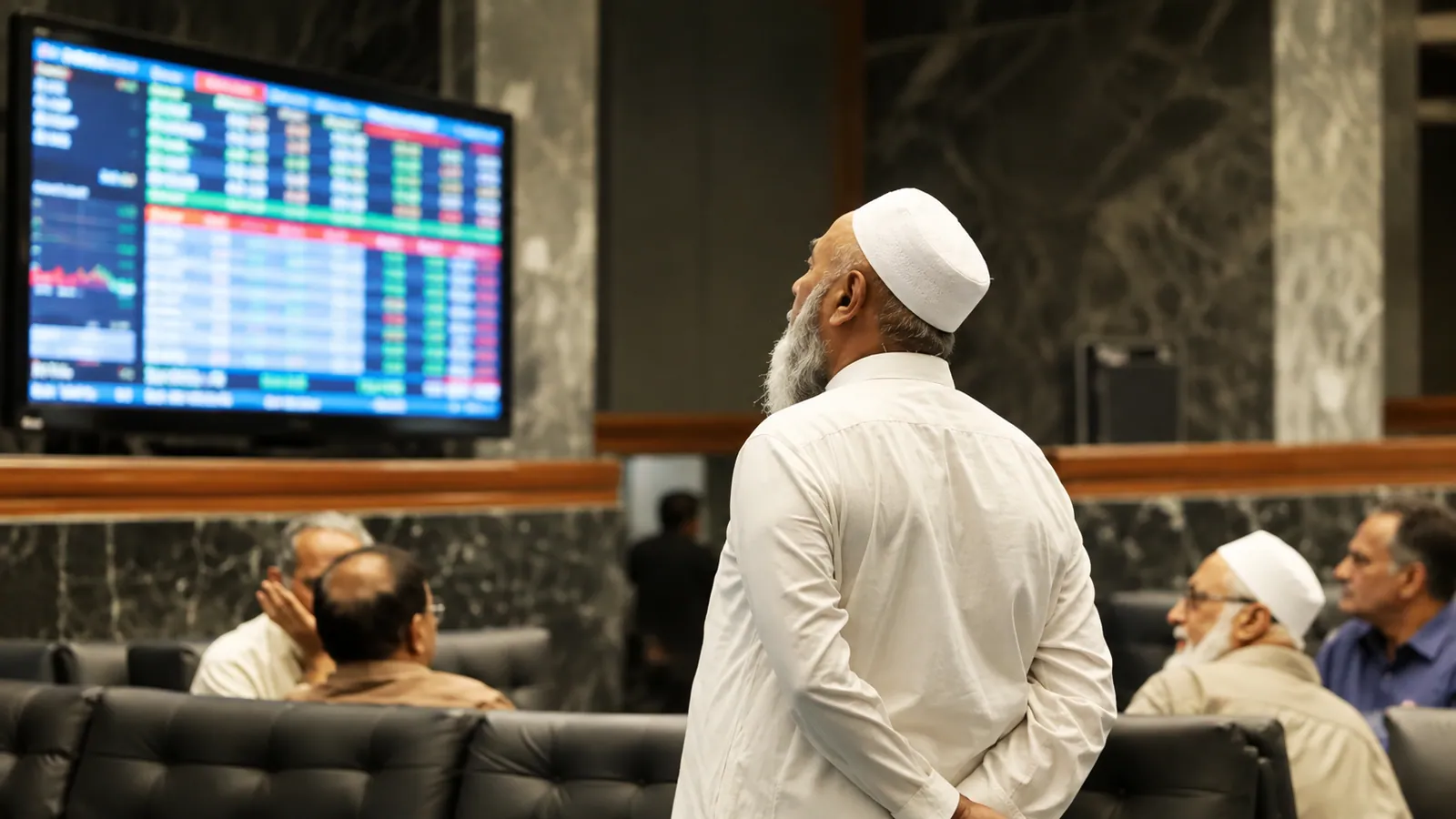
The Pakistan Stock Exchange (PSX) closed in the red on Thursday, October 1, 2026. Shares started the day higher in Karachi but slipped as the hours passed. By the closing bell, the benchmark KSE-100 Index had lost 1,332.47 points, or 0.78%, to settle at 168,636.85 points.
Investors were worried about three things at once. World oil prices jumped again, inflation at home is still well above the State Bank's goal, and nobody is sure whether new talks between the United States and Iran will bring the war to an end.
How the Day Went
Trading began on a good note. At 10:15am, the KSE-100 stood at 170,270.16, up 300.84 points. A little later it reached the day's high of 170,688.38 points.
Then the selling started, and it did not stop for long. Buyers tried to lift the market around midday and again in the last hour, but both attempts failed. The index fell to a low of 168,567.79 and closed just above it. From the day's high to the close, the market lost more than 2,000 points.
Sellers were clearly in control. In the ready market, the shares of 323 companies went down, only 121 went up and 48 stayed the same. A total of 548.3 million shares were traded, lower than the 591.2 million shares traded on Wednesday. Kohinoor Spinning was the most traded share with 93.8 million shares. Its price rose by Rs0.11 to close at Rs5.84.
A Weak Week for the Market
Thursday's loss came at the end of a difficult week. On Monday, the index fell 339.60 points to 170,425.62 after media reports said US President Donald Trump had rejected an Iranian ceasefire proposal linked to the Strait of Hormuz. On Tuesday, it lost another 825.22 points and closed at 169,600.40.
Wednesday brought some relief. Buying in bank, cement and fertiliser shares pushed the index up by 368.92 points to 169,969.33. But Thursday wiped out that gain and more. In the first four days of this week, the KSE-100 has lost about 2,128 points in total.
The market also fell 1,733.57 points on the previous Thursday, September 24, when investors sold shares to take profits after three days of gains. On August 3, the index had closed at 178,200.02 points. It is now more than 9,500 points below that level.
Oil Prices and China's Decision
The biggest outside pressure came from oil. Prices rose around 2% on Thursday after Chinese refiners stopped exporting oil products such as diesel and petrol to all places except Hong Kong and Macau, until further notice. Reuters reported this, citing four people who were told about the decision.
Brent crude for December delivery was trading at $100.09 per barrel, up $2.06 from Wednesday. The November contract had ended on Wednesday at $103.50, after rising around 14% during September. World diesel supply was already tight because attacks linked to the wars in the Middle East and Ukraine have reduced refining capacity.
This matters a lot for Pakistan, because the country buys most of its crude oil and fuel from abroad. When world oil prices go up, Pakistan's import bill grows. Petrol and diesel can become more expensive at home, and that pushes up the cost of transport, electricity and food. This is why share buyers become nervous every time oil climbs.
Inflation Slows but Stays High
On the same day, the Pakistan Bureau of Statistics said inflation slowed to 10.26% in September, down from 11.1% in August. The fall came mainly from food prices. Analysts had expected a figure between 10.25% and 10.75%, so the result landed at the lower end.
Still, prices are rising much faster than the State Bank of Pakistan wants. Its medium-term target is 5% to 7%. Since April, inflation has stayed above 10% in every month except July, when it dipped to 9.2%. In May it reached 11.7%, the highest level since June 2024.
The State Bank raised its policy rate by 100 basis points to 11.5% in April and has kept it there since. At its last meeting on September 14, seven of the ten members of the Monetary Policy Committee voted to keep the rate unchanged, warning that the war had raised risks to inflation. With inflation still above 10%, analysts say the case for cutting interest rates has not become much stronger. High interest rates usually make bank deposits and government bonds more attractive than shares.
What Analysts Expect Next
Not everyone is gloomy. Muhammad Awais Ashraf of AKD Securities believes that easing inflation, a strong external account and less political noise at home should build investor confidence over time. In his view, any good news about the US-Iran war would be a key trigger for the market, and a return to normal trade with the Gulf Cooperation Council (GCC) countries would reduce the impact of the current crisis.
"We advise investors to remain in banks, Exploration & Productions, fertiliser, textile, OMCs, technology, steel and automobile sectors. Within these, E&Ps and OMCs are positioned to benefit from resolution of gas sector circular debt," Ashraf wrote. Circular debt is the large pile of unpaid bills stuck in the gas supply chain. If it is cleared, oil and gas exploration companies and oil marketing companies could receive money they are owed.
For ordinary people, a bad day at the PSX does not change shop prices directly. But people who hold shares or mutual funds will see the value of their savings dip. The bigger concern is oil. If world prices stay near $100 a barrel, it will be harder to keep fuel prices in Pakistan under control. In the coming days, investors will keep a close watch on the US-Iran talks, the oil market and the next decision on fuel prices at home.