
Mediators Press Iran for Nuclear Concession to Save US Talks
After Trump rejected Iran's seven-day truce plan, mediators are urging Tehran to compromise on its nuclear programme to restart talks.
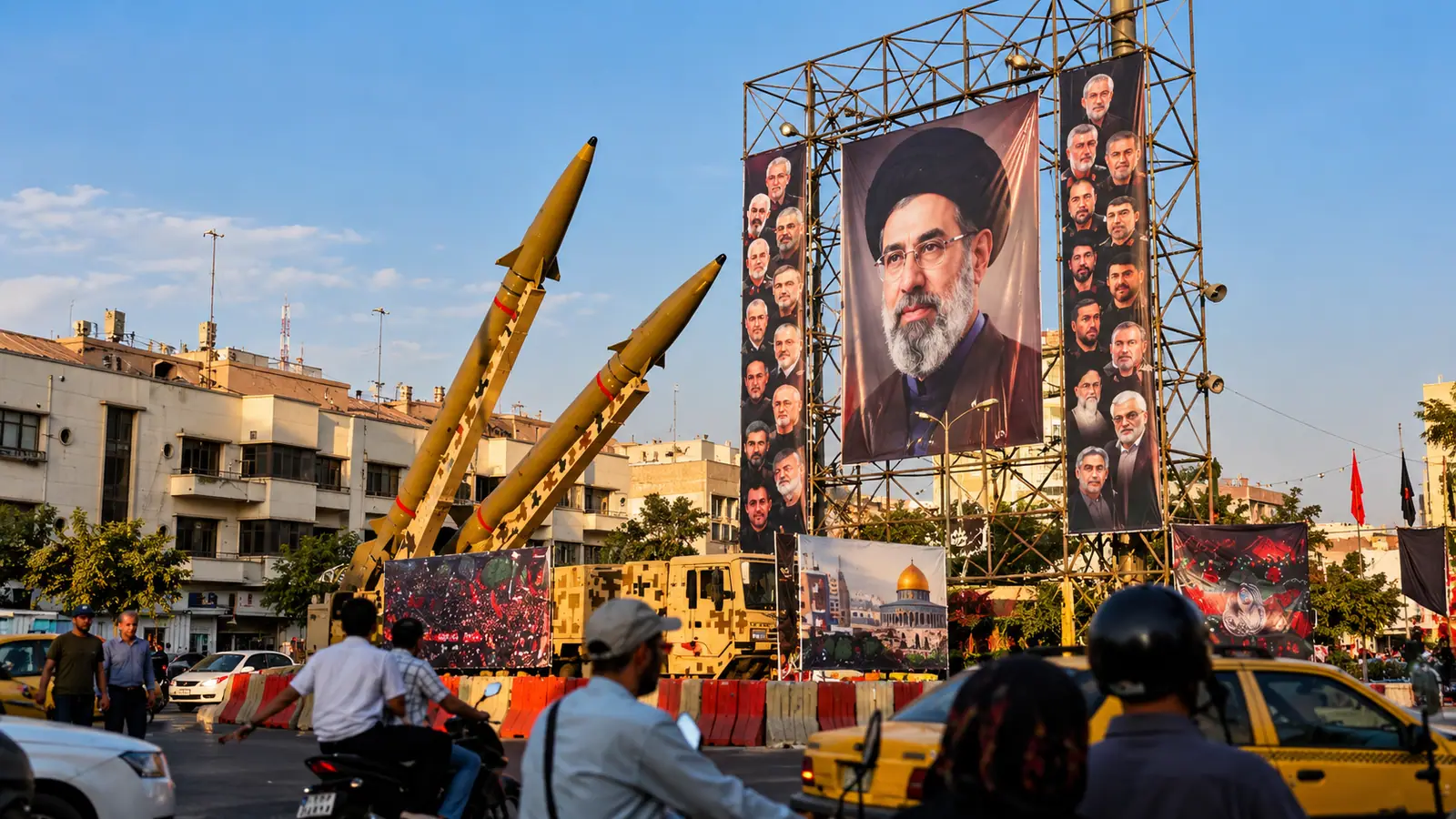
Countries working to end the war between Iran and the United States are now asking Tehran to make a compromise on its nuclear programme. The Wall Street Journal reported on Sunday, September 27, that mediators want a nuclear step from Iran so that ceasefire talks with Washington can start again. The push comes just one day after US President Donald Trump rejected Iran's plan for a seven-day truce that would have reopened the Strait of Hormuz.
The mediators themselves say the chances of success are low. According to the report, Iran has shown very little sign that it is ready to discuss its nuclear programme at this stage. Arab mediators say Tehran has not offered anything new since Mr Trump said no, while Gulf officials say Iran wants Washington to move first.
What Iran Offered and Why Trump Said No
Iran announced its peace plan last week at the United Nations General Assembly in New York. It said the plan had been passed to the Americans through Qatar, which is carrying messages between the two sides. Foreign Minister Abbas Araghchi explained the timeline to reporters on Friday. The US would first get four or five days to take steps agreed earlier, the strait would reopen on the sixth day, and wider talks would begin a day after that.
In return, Iran asked the US to lift its naval blockade of Iranian ports, release billions of dollars of frozen Iranian money, remove sanctions on its oil exports and agree to a ceasefire on all fronts. Tehran also wants Washington to go back to a memorandum of understanding agreed in June. That deal, which Pakistan helped to broker, was meant to reopen the strait and later start nuclear talks in exchange for sanctions relief.
Mr Trump rejected the plan on Saturday. Speaking to reporters at the White House, he said Iran wanted to open the waterway quickly "because they're losing so badly." US officials say he no longer wants to return to the June agreement. Instead, Washington has tightened sanctions and kept its blockade in place.
The US ambassador to the United Nations, Mike Waltz, explained the decision on CNN on Sunday. He said Iran was "asking for everything up front" and only promising to talk later. He added that the president did not believe Iran would truly agree to end its nuclear programme.
The Journal also reported, citing unnamed US officials, that Mr Trump told his aides he expects American bombing of Iran to start again after the US midterm elections in November. The White House has not confirmed this. At the same time, Mr Trump told the news website Axios on Sunday that he expects US negotiators to hold more talks this week.
Iran Says It Is Ready for Talks and for War
Iran's response has been firm. "We are fully prepared for the war to resume," Mr Araghchi told NBC News when asked about the Journal report. He said Iran would stand firm against any new attack but was also ready for diplomacy. "It is up to President Trump to choose," he added.
When asked if Iran trusts Mr Trump, he answered: "We trust ourselves." In a social media post, he said the mediators had not yet officially passed on any US rejection. Iran, he said, would decide its next step once it received a clear answer.
President Masoud Pezeshkian told the CBS programme Face the Nation that Iran was ready to talk about its nuclear programme and other issues. But he said Tehran would not accept "bullying or coercion." He also said Iran had already agreed that it would not build nuclear weapons.
Iran's army chief, Amir Hatam, took a harder line. He warned on state media that if Iran cannot trade and live, no one else in the region will be able to either.
What Could Open the Door to a Deal
There are signs that a deal is still possible, but only under certain conditions. A senior Middle Eastern official involved in the talks told the Journal that Iran could compromise on its nuclear programme. However, Tehran would need clear guarantees that Israel would not attack Iran again after any agreement with the US. Another official said Iran had come close to a nuclear compromise earlier this year during talks led on the American side by Vice President JD Vance.
Qatar's Prime Minister, Sheikh Mohammed bin Abdulrahman Al Thani, admitted the task is getting harder. "This conflict is very complex," he said at an event in New York. Experts say both sides now see any concession as a sign of weakness, which makes a quick breakthrough unlikely.
War Spreads Further Into the Gulf
The war began on February 28, when the US and Israel launched strikes on Iran that killed Supreme Leader Ali Khamenei. Since then it has moved between pauses and fresh fighting, killing thousands of people. Iran has hit US allies in the Gulf with drones and missiles, and its Houthi allies in Yemen have attacked Saudi targets.
Saudi Arabia has been pulled deeper into the conflict this month. Houthi fighters have pushed back Saudi-backed government forces in Yemen and are now threatening Saudi oil exports through the Red Sea. On Sunday, some parents in Riyadh received messages from schools saying classes would move online for the week. No reason was given, and Saudi officials did not comment.
NBC News also reported that eight US Marines were hurt on September 14 when an Iranian missile hit a vessel they were using in the Strait of Hormuz. All eight have returned to duty. Pentagon records now show 861 American troops injured in the war.
Why This Matters for Pakistan
Pakistan has been at the centre of efforts to stop this war. Islamabad helped arrange the first two-week ceasefire in April and hosted the Islamabad Talks on April 10 and 11, where Mr Vance led the US team. Speaking at the UN General Assembly on September 25, Prime Minister Shehbaz Sharif highlighted Pakistan's role and warned that the closure of the Strait of Hormuz is hurting the whole world economy.
For ordinary Pakistanis, the biggest worry is the cost of fuel. Brent crude rose more than 3 percent on Monday to above 107 dollars a barrel after Mr Trump rejected Iran's offer. Pakistan imports most of its oil, so higher world prices soon reach local petrol pumps. Petrol in Pakistan was already raised by Rs2.02 to about Rs391.30 per litre on September 26.
Pakistan also shares a border of about 900 kilometres with Iran and has close ties with Saudi Arabia, where millions of Pakistanis work and send money home. A wider war in the Gulf would put both security and those earnings at risk. That is why Islamabad has a strong interest in seeing the mediators succeed.
Mr Trump says more talks are expected this week, and Iran is waiting for a final US answer. Whether Tehran offers any movement on its nuclear programme may decide if this conflict moves towards peace or slides back into full war.