
NEPRA Proposes New Grid Sharing Charges for Large Power Users
NEPRA plans new grid sharing charges for buildings and factories, stricter disconnection rules and longer detection bills for meter tampering.
The National Electric Power Regulatory Authority (NEPRA) has proposed big changes to the rules that power companies follow when they give new electricity connections. The proposals, made public in Islamabad this week, could raise costs for large buildings, factories and big commercial users. The regulator has asked businesses and the public to send their comments by October 25.
The changes are amendments to the Consumer Service Manual, a rulebook that distribution companies, known as DISCOs, must follow. The manual decides how a home or business gets a connection, what it pays, and how bills are handled when something goes wrong. NEPRA has put forward five major changes. They cover high rise buildings, industrial connections, equipment charges, temporary disconnections and detection bills.
What Grid Sharing Means
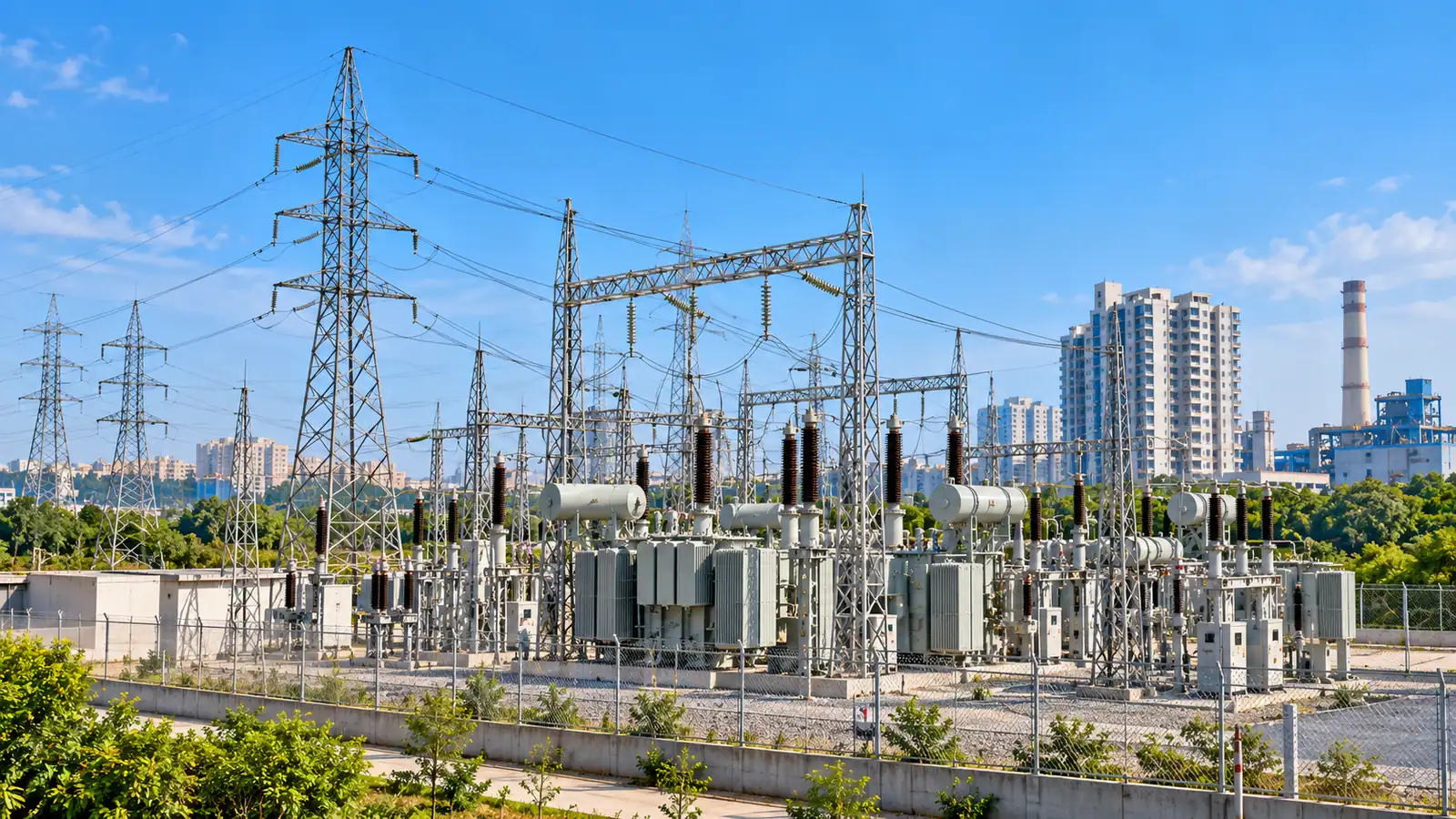
When a large building or factory connects to the power system, it uses space on a grid station. Grid sharing charges are a fee for using that shared equipment. The idea is simple. A user who takes a big share of the grid should help pay for it.
Right now, a building with a ground floor and up to three storeys above it is not counted as a high rise. Such buildings do not pay grid sharing charges. NEPRA wants to end this rule based on the number of floors. Under the new proposal, any building that needs its own dedicated transformer above 500 kVA would pay grid sharing charges, and this includes residential buildings.
In other words, the charge would depend on how much electricity a building needs, not how tall it is. A shorter building with lifts, heavy air conditioning and many flats or shops could now come under the charge. Builders of apartment blocks and shopping plazas in cities like Lahore, Karachi and Islamabad are likely to feel this most. Some of that cost may later reach buyers and tenants.
More Room for Big Factories
Not every change adds costs. Some are meant to help industry grow. At present, a DISCO can give a consumer a new connection or extra load of only up to 7.5 MW from a grid station it owns, according to a report in The Nation. Load above 5 MW already means the consumer pays full grid sharing, transmission line and land costs.
Under the proposal, a DISCO could give up to three connections at the same premises, with a combined load of up to 15 MW. All of them would have to be in the same tariff category, such as the B-3 industrial category. The grid station must also have enough spare capacity, and the setup must be technically possible.
Consumers taking more than 5 MW would still pay the full grid sharing and transmission costs. NEPRA has proposed a grid sharing charge of Rs. 8.948 million per MW, plus land costs of about Rs. 0.855 million per MW, based on the consumer's load. Together, that comes to around Rs. 9.8 million for every megawatt.
A factory that needs more than 15 MW would have to get its own dedicated grid station and transmission line. NEPRA has added a refund rule here. If a consumer first pays grid sharing, transmission and land charges and is later shifted to a dedicated grid station, those earlier payments would be returned.
Charges for Transformers and Feeders
The third change deals with dedicated transformers, 11 kV feeders and repair work, which the rules call rehabilitation. Reports say this part also reshapes the rules for steel furnace connections, which are now allowed up to 5 MW. Connections of up to 1 MW would pay for the equipment along with rehabilitation charges. Consumers needing between 1 MW and 2.5 MW would pay rehabilitation costs based on the actual amount spent.
DISCOs would have to make sure their 11 kV feeders are not harmed by these heavy loads. However, any cost needed to meet the required technical standards would be paid by the consumer, not the power company.
Stricter Rules on Temporary Disconnection
Some businesses ask for their supply to be cut off for a while, for example when a factory shuts for a season. This is called temporary disconnection. It saves them from paying monthly fixed charges during that time, and NEPRA now wants to close some gaps in the system.
Under the new rules, a consumer must ask the DISCO to reconnect before the approved period ends. If the consumer does nothing, the connection would be treated as reconnected when the period ends, and charges would start again. There would be no limit on how many times a consumer can ask for a temporary disconnection. But before asking again, the consumer would first have to pay fixed and other charges for at least one month.
Tougher Detection Bills for Meter Tampering
The change with the widest reach may be about electricity theft. A detection bill is an extra bill a DISCO sends when it finds that a consumer has been stealing power or tampering with a meter. Under the current rules, such bills cover three billing cycles, The Nation reported.
NEPRA has proposed raising this limit to a maximum of 12 months for registered consumers caught using bogus meters, frozen load profiles, software tricks or Bluetooth devices that reverse meter readings, or breaking meter security in other ways. The bill would be worked out from the consumer's load, not from past or future usage. For domestic consumers, the maximum detection period would be six months.
Power theft has troubled Pakistan's electricity sector for years. It adds to the losses of DISCOs, and in the end honest bill payers carry part of that burden. The methods named in the proposal show that theft has become more high tech. At the same time, many consumers have complained in the past about wrong or inflated detection bills, so clear rules on how these bills are worked out will matter a lot.
EV Charging Rule and What Comes Next
NEPRA has also proposed removing a requirement for electric vehicle charging stations from the manual. The government has already freed the sale margins of these stations, so owners can now set their own. Because of this, the regulator sees no need for the old rule.
The proposals come while the power sector is going through wider reform. A few weeks ago, NEPRA approved use of system charges for bulk power consumers ahead of a new competitive electricity market, where large users will be able to buy power from private suppliers. The new connection rules follow the same line of thinking, which is that big users should pay for the grid they use.
For now, all of this is only a proposal and nothing has been finalised. NEPRA may change the rules after hearing from builders, industry groups, DISCOs and ordinary consumers. Anyone who wants to comment can send written views to the regulator through its official website until October 25.