
Pakistan Strikes 10 Afghan Sites After Drone Attack, Says Tarar
Pakistan hit 10 locations in Afghanistan after eight drones entered its airspace, Information Minister Attaullah Tarar said on Thursday.
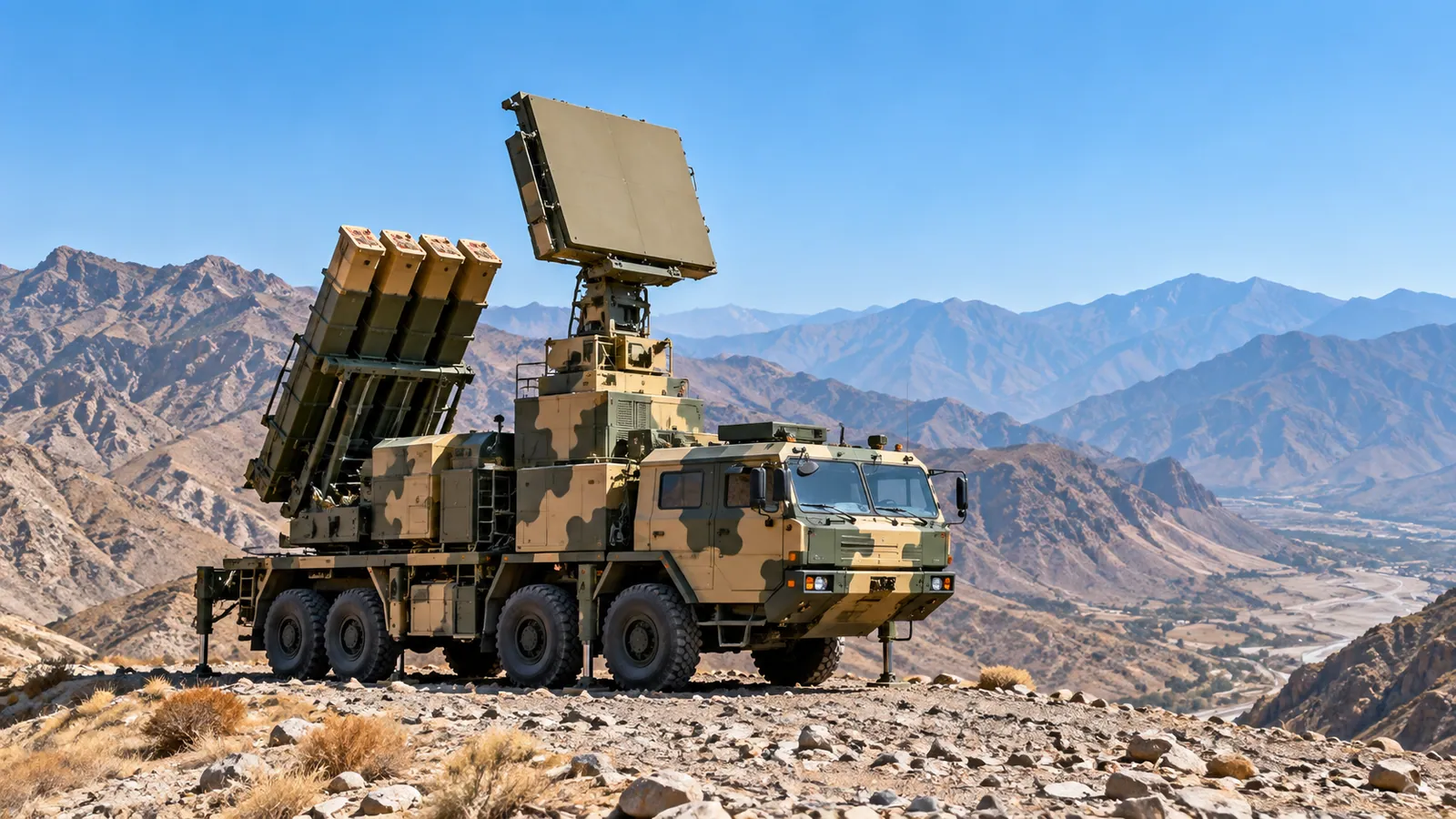
Pakistan carried out air and drone strikes on 10 locations inside Afghanistan in the early hours of Thursday, September 24, Information Minister Attaullah Tarar announced. He said the targets were places used to launch and store drones that had flown into Pakistani airspace a day earlier. The strikes are one of the sharpest turns yet in the long running conflict between the two neighbours.
Tarar shared the news in a post on X. He called the strikes "deliberate, precise, calibrated and proportionate" and said they hit only military targets linked to the attempted attacks on Pakistan. He described the drone incursion of September 23 as a "blatant violation" of Pakistan's sovereignty.
Eight Drones Shot Down Near Torkham and Kohat
The trouble began on Wednesday, September 23. According to security sources, Pakistan's air defence systems shot down eight drones that had come in from Afghanistan. Four were brought down in areas near the Torkham border crossing. The other four fell in mountain areas close to the border with Kohat.
Tarar said every drone was detected, tracked and destroyed before it could reach its target. Pakistani officials also said Afghan Taliban forces shelled Pakistani border posts that day. According to them, this happened after Pakistani troops stopped what they called an attempt by militants to cross the border.
The minister said Pakistan had warned the Taliban government in Kabul for years about terrorist hideouts on Afghan soil. Instead of acting against these groups, he said, the Taliban chose to raise the tension with drone attacks. He warned that Pakistan would not accept attacks from Afghan territory, whether they came from terrorist groups or from the Taliban government itself.
What Kabul Says
The Afghan side tells a very different story. On Wednesday, before the Pakistani strikes, Taliban spokesperson Zabihullah Mujahid denied that Afghan forces had attacked Pakistan. After the strikes, he said they had hit the Afghan provinces of Kandahar, Paktia and Khost and killed four civilians.
Mujahid accused the Pakistani military of targeting civilian areas and called the strikes a repeat of what he described as "crimes" against Afghanistan. Pakistan says it hit only military targets. The casualty claims made by both sides have not been independently confirmed.
A Week of Bloodshed in Khyber Pakhtunkhwa
The latest fighting follows a deadly week in Khyber Pakhtunkhwa. On Friday, September 18, attackers struck a mosque inside the Police Lines in Kohat during Friday prayers. Official figures say 23 people were martyred, most of them police personnel, and eight attackers were killed in the clearance operation that followed. Some foreign reports have given a higher death toll.
Ittihadul Mujahideen Pakistan (IMP) claimed the attack. The group is led by Hafiz Gul Bahadur, a militant commander who Pakistan says is based in Afghanistan. Bahadur has old ties with the Afghan Taliban and has survived American drone strikes as well as Pakistani military operations over the years.
A day after the Kohat attack, six security personnel, including a captain and a lieutenant, were martyred in an exchange of fire in Hangu district. Then on September 21, Pakistan hit militant hideouts near the Afghan border and carried out ground operations in Kohat and Hangu. The military said 37 terrorists were killed in total, 28 of them in strikes on three targets, including a training centre for suicide bombers.
Kabul said those strikes killed three civilians and wounded four in Kunar province, and damaged a house and a shop in Paktika. The Taliban government promised an "appropriate response" at the time.
Drones Are a Growing Worry
This is not the first time drones have crossed into Pakistan from Afghanistan. In March, the armed forces stopped several small, simple drones that officials said were launched by the Afghan Taliban. Falling pieces from those drones injured two children in Quetta and one person each in Kohat and Rawalpindi. All of them were later reported to be in stable condition.
More drones came in the summer. Two were shot down in June in the Qila Abdullah and Chagai districts of Balochistan. On July 1, security forces said they had brought down four more that had crossed into Balochistan on June 30. For people living in border cities, this is a new kind of fear, because even a drone that is shot down can hurt people when its pieces fall on homes and streets.
How the Conflict Reached This Point
Relations between Islamabad and Kabul have been poor since the Taliban took power in August 2021. Pakistan says the banned Tehreek e Taliban Pakistan (TTP), which it calls Fitna al Khawarij, uses Afghan soil to plan attacks. Kabul denies this and calls the militancy Pakistan's own internal problem. Khyber Pakhtunkhwa saw more than 500 militant attacks last year, about 50 percent more than the year before.
Open fighting between the two countries began in October 2025 and has killed many people on both sides. In late February this year, Pakistan launched Operation Ghazab lil Haq after Afghan Taliban forces fired on several border locations. A week long ceasefire was agreed on March 18, just before Eidul Fitr, after requests from Türkiye, Saudi Arabia and Qatar. Tarar has described Thursday's strikes as part of this same campaign.
In April, during peace talks in Urumqi, China, Pakistan put three main demands to the Afghan Taliban. It asked Kabul to formally declare the TTP a terrorist group, to destroy its bases and to give proof that this had been done. A recent United Nations Security Council report also said fighters of the banned Balochistan Liberation Army (BLA) were trained alongside TTP members at camps in Afghanistan.
Just one day before the strikes, Deputy Prime Minister and Foreign Minister Ishaq Dar raised the issue at the OIC Contact Group on Afghanistan in New York, on the sidelines of the UN General Assembly. He asked for "concrete and verifiable" action to stop Afghan soil from being used for terrorism against neighbouring countries, especially Pakistan.
What It Means for Pakistan
The strikes send a clear message that the government is ready to hit back across the border, and to do it fast. Tarar said Pakistan does not want escalation and still believes in dialogue. But he warned that this should not be seen as weakness or as unlimited patience.
The danger is that every strike brings a counter strike. International news agencies have warned that this new escalation could damage the efforts of regional countries trying to bring the two sides to the table. It is not yet clear how the Taliban government will respond this time.
The people who feel the pain most are those living in Khyber Pakhtunkhwa and Balochistan. In the past, border tension has often led to the closure of crossings like Torkham and Chaman, which hurts traders, transporters and daily wage workers on both sides. There has been no official word so far on whether trade routes will be affected this time.