
FBR to Bring 18 Sectors Under Tax Monitoring by December
FBR says production monitoring will run in 18 sectors, from sugar to steel, by December 31 to curb tax evasion.
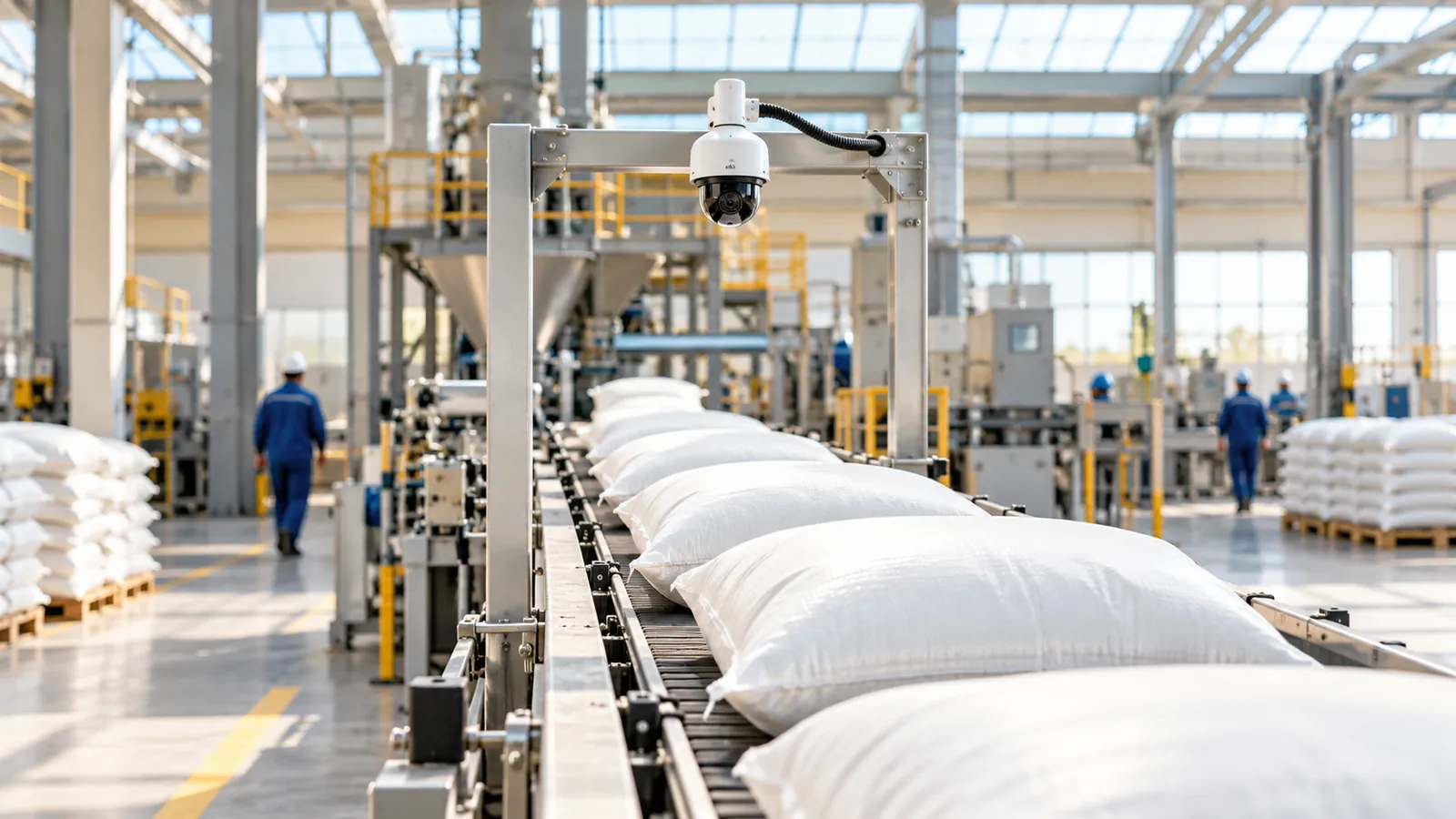
Factories in 18 sectors of Pakistan's economy will have their production watched by digital systems of the Federal Board of Revenue (FBR) by December 31, 2026. The deadline was confirmed on Monday, October 12, at a review meeting on FBR reforms in Islamabad, chaired by Prime Minister Shehbaz Sharif.
The idea behind the plan is simple. If the FBR knows how much a factory really makes, it becomes much harder for the owner to hide sales and avoid sales tax. The prime minister told officials to remove every obstacle in the way of these camera based systems and to cover all manufacturing sectors by the end of the year.
Where each sector stands
According to the official briefing, the system is already fully installed in five sectors: sugar, cement, tobacco, tiles and fertilizer. In four more sectors, the equipment has been bought and installation work is going on. For the rest, the government is still buying the machines.
Stage | Sectors | Date given |
|---|---|---|
Fully installed | Sugar, cement, tobacco, tiles, fertilizer | Already done |
Installation under way | Textiles, packaged water, packaged juice, packaged milk | Equipment already bought |
Equipment purchase | Steel, poultry, tyres | By October 15 |
Equipment purchase | Tea, household electronics, leather, paper and board, oil and ghee | By October 30 |
Fully working in all sectors | All of the above | By December 31, 2026 |
This leaves only about two months after the last purchases to install and start the systems. Reports of the meeting describe the plan as covering 18 sectors. However, the sectors named in the official briefing add up to 17, and the remaining sector has not been named publicly so far.
How the monitoring works
The system places cameras and counting machines on factory production lines. Earlier this year, officials said the FBR uses tools such as video analytics, unit counting, barcode scanning, tax stamps and serial numbers. The data goes directly to the FBR, so officers can compare what a factory produces with what it declares in its tax returns.
The FBR calls this part of its "faceless" system, because it depends on cameras and data instead of tax officers visiting factories. Ordinary people have already seen one result of the older system: the tax stamp with a code printed on cigarette packs.
Under an FBR notification reported on October 8, manufacturers in the new sectors must keep their production monitored for three years. They have to get the equipment from FBR approved companies, which officials named as Obzidian Technologies, Tollink Pakistan, Authentic and ISSM Labelling. The step is part of the revenue targets Pakistan has agreed with the International Monetary Fund (IMF).
Poultry may sound like a strange sector for tax cameras. Procurement notices issued by early 2026 show that the FBR is focusing on day old chicks, the young birds that hatcheries sell to poultry farms.
Results so far and resistance from some factories
Production tracking is not new in Pakistan. It was first introduced in 2021 for tobacco, sugar, cement and fertilizer, and tiles were added later. For years, the rollout was slow and patchy, but the government says it is now showing results.
In July, officials told a meeting that the system had brought in an extra Rs42 billion from the sugar industry over one year, Rs38 billion from cement and Rs15 billion from beverages. On July 29, the prime minister said that for the first time in Pakistan's history, sugar production data matched FBR records. That meeting was also told that five sectors close to completion carried a tax potential of more than Rs700 billion, and nine more sectors carried another Rs560 billion.
On Monday, the briefing said government enforcement measures had brought in an extra Rs1.3 trillion in taxes over the past three years, a rise of 40 percent. These are the government's own figures, and no independent breakdown has been published. The prime minister praised an audit report on the system in the cement sector and asked the Ministry of IT to audit it in other sectors as well.
Not every business has welcomed the cameras. Some textile industries resisted installation, the meeting was told. At the same time, several large textile companies installed the system on their own, including Nishat Mills, Interloop, Sapphire Textiles and Al-Karam Textile. The prime minister praised them for it.
The FBR has also used pressure. In July, it stopped more than Rs6 billion in sales tax refunds to units that had not installed the systems. Units that kept resisting after July 31 were warned of penalties, blacklisting, suspension of their sales tax registration and limits on moving goods out of their factories, under powers given in the Finance Act 2026.
What it means for Pakistan
For honest businesses, the tax rate does not change. The system only checks whether the output a factory declares matches what it actually makes. Businesses that were hiding part of their sales will find that much harder once cameras are counting every bag, bottle and carton.
For ordinary buyers, the government has not announced any price changes linked to the system. The next dates to watch are October 15 and October 30 for the equipment purchases, and December 31 for the full rollout. The FBR has not yet said publicly what action it will take against factories in the new sectors that miss the deadline.