
Rawalpindi Tops Punjab Dengue List With 22 Cases in September
Punjab confirmed 57 dengue cases in September, with Rawalpindi on top at 22 and Lahore second at 14.
Rawalpindi has reported more dengue cases than any other district of Punjab this month. According to provincial figures reported by ARY News, Punjab confirmed 57 dengue cases in September, and 22 of them came from Rawalpindi. Lahore was second with 14 cases.
These numbers are small when compared with past years. But they show that the dengue season has now started after a very quiet summer, and health officials are asking people not to take the risk lightly.
Where the cases were found
After Rawalpindi and Lahore, the districts of Chakwal, Multan and Rahim Yar Khan reported three cases each. Attock, Gujranwala and Muzaffargarh reported two cases each. Dera Ghazi Khan, Faisalabad, Nankana Sahib, Okara, Pakpattan and Sialkot reported one case each.
This means the virus has been found in 14 districts, from the Potohar region in the north to south Punjab. Still, more than one third of all cases came from Rawalpindi alone.
The Punjab health department says it is ready. It says public hospitals have enough medicines, and it has issued an advisory asking people to keep their homes and streets clean and dry. A free helpline, 1033, is working for people who need treatment guidance or want to make a complaint.
A sudden change for Rawalpindi
The rise in Rawalpindi stands out because the district was having one of its best years. On August 24, the district health authority said only six dengue cases had been confirmed since January, compared with 68 in the same period of 2025. It said not a single case was confirmed in August 2026, while August 2025 had 89.
By September 19, the district's own count had reached nine confirmed cases for the whole year, with no deaths. If both the district and provincial figures are correct, most of Rawalpindi's September cases came in the second half of the month. District and provincial reports are prepared separately, so their numbers do not always match exactly.
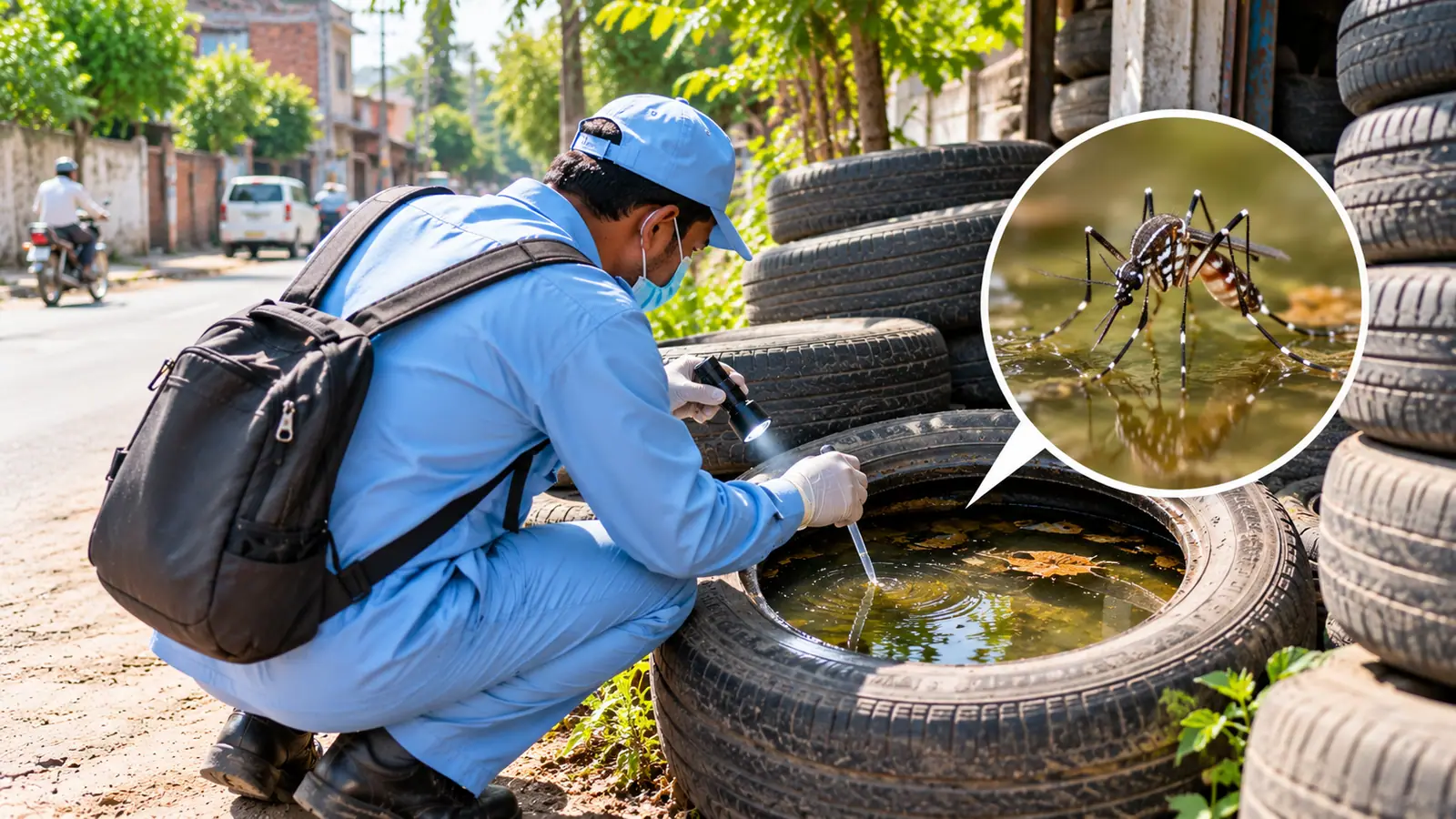
Officials have been fighting mosquito breeding for months. The district health authority says around 1,400 teams are working in the field and checking 17,859 registered hotspots. By September 19, teams had found dengue larvae at more than 157,000 homes and nearly 23,000 outdoor places, such as tyre shops, scrapyards and empty plots, and destroyed them.
Action has also been taken against people who broke anti-dengue rules. This year, authorities in Rawalpindi registered 2,543 police cases, sealed 652 buildings and issued 2,119 challans. Fines of about Rs2.57 million were imposed.
District Health Officer Dr Jawad Zahid told the state news agency APP in August that 35 of the district's 190 union councils were in the highest risk group. The most larvae were found in Morgah, Khana Dak and Chaklala. A later report said the Rawalpindi Cantonment areas had the highest number of positive larvae samples.
Why Rawalpindi keeps getting hit
Rawalpindi has a long history with dengue. From 2013 to the middle of June 2026, hospitals in the district treated 32,912 dengue patients, according to the district health authority. The real number is believed to be higher, because many people go to private hospitals and clinics.
Last year, Rawalpindi was the worst affected district in Punjab. By early November 2025, it had 1,371 of the province's 3,097 cases. In 2024, the district crossed 1,100 cases by the end of September, and five people died. In 2023, Punjab recorded more than 14,600 cases, with Lahore and Rawalpindi at the top of the list.
Heavy monsoon rain leaves water standing in pots, tyres, water tanks, coolers and on roofs. Experts say water that stays for more than three days can become a breeding place for the dengue mosquito. In Pakistan, cases usually rise after the monsoon and stay high through October and November. They go down only when the weather turns cold, so the coming weeks are the most important.
What people should do
Dengue spreads through the bite of an infected Aedes mosquito. This mosquito is small, has black and white stripes on its body and legs, and mostly bites during the day, especially in the early morning and near sunset. It breeds in clean, still water, not only in dirty drains.
Signs usually appear four to ten days after the bite. They include high fever, strong headache, pain behind the eyes, body and joint pain, nausea, vomiting and skin rash. There is no special medicine that kills the dengue virus, so doctors treat the symptoms and watch the patient closely.
Anyone with a high fever in this season should see a doctor and get tested. Doctors usually give paracetamol for fever and warn people not to take aspirin or painkillers like ibuprofen on their own, because these can raise the risk of bleeding. Go to a hospital at once if there is severe stomach pain, repeated vomiting, bleeding from the gums or nose, or blood in vomit or stool.
At home, empty and clean water containers at least once a week, cover water tanks, and remove old tyres and broken pots from roofs. Use mosquito nets, repellent lotion and screens on windows, and wear clothes with full sleeves. For help or complaints, people in Punjab can call the free helpline 1033.