
Maryam Nawaz Sets 15-Day Deadline to Fix Waste Collection in Punjab
CM Maryam Nawaz gives Suthra Punjab 15 days to improve door-to-door waste collection and removes three district heads over complaints.
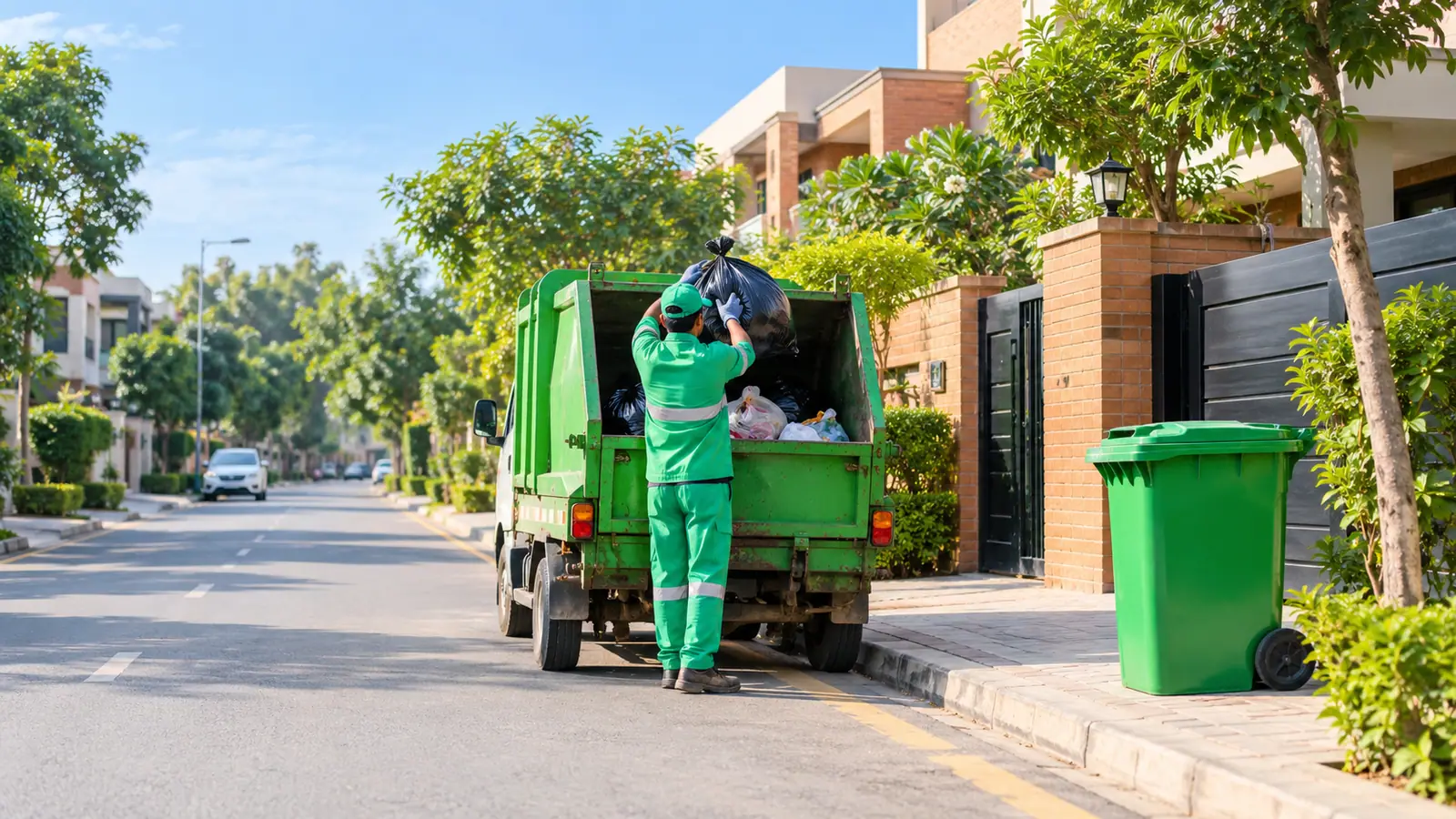
Punjab Chief Minister Maryam Nawaz Sharif has given the Suthra Punjab programme 15 days to improve door-to-door waste collection across the province. Angry over public complaints about dirty streets in several cities, she ordered the removal of the Suthra Punjab managing directors of Kasur, Faisalabad and Okara at a review meeting on the cleanliness programme.
Other managing directors whose work was found weak will get formal warnings. The meeting also decided that any officer removed from Suthra Punjab for poor performance will not be given another posting. In a new step, body cameras will be fitted on the programme's field monitoring officers so that their work can be tracked.
What was decided in the meeting
The chief minister told deputy commissioners to check the work of field monitoring officers every day. She also ordered a separate monitoring section to be set up only to watch how these officers perform. Field monitoring officers are the staff who go into streets and neighbourhoods to see whether sweepers and waste vehicles are doing their job.
She directed that the Suthra Punjab beat system be made fully working in every part of the province. Under a beat system, each team is given a fixed area, so it is clear who is responsible when a street is left dirty.
Maryam Nawaz also ordered the use of Safe City cameras to issue digital challans under the anti-littering campaign. These cameras are already used in many Punjab cities to send e-challans for traffic violations, and now they will also be used to catch people who throw rubbish in public places.
What officials told the meeting
Officials said Suthra Punjab workers had been paid on time in most tehsils of the province. They said anti-littering squads are active in all divisions and have carried out 77,137 inspections, given 9,353 warnings and issued 19 challans so far.
Lahore is far ahead of other cities in these figures. The anti-littering squad in Lahore alone carried out 53,186 inspections, and 2,156 digital challans were issued in the city through Safe City cameras.
Officials also said 37,852 bins have been placed at different points across Punjab. They added that 676,551 complaints about Suthra Punjab had been received, and 99 percent of them had been resolved. These figures come from the government briefing and have not been checked by any independent body. The huge number of complaints also shows how many people are still unhappy with cleaning in their areas.
Not the first warning
This is not the first time the chief minister has pulled up Suthra Punjab officials. On August 8, 2026, she chaired a review meeting where she ordered main roads to be washed every day by 5am, called for door-to-door waste collection across the province and told additional deputy commissioners to monitor cleanliness. She said at that meeting that imposing fines was not the aim and the focus should be on clean streets.
Later in August, she ordered that all Suthra Punjab workers must get their salaries by the 5th of every month and warned of legal action against companies that pay late. At that time, workers of 149 out of 151 companies had been paid. She also said a Suthra Punjab managing director with poor performance should not get a posting for three years, and told field and tehsil monitoring officers to visit at least five union councils every day.
Even earlier, in November 2025, she had ordered payments to be stopped to contractors giving poor service and asked for their contracts to be reviewed. The latest removals in Kasur, Faisalabad and Okara show that the government is now acting on these warnings.
How Suthra Punjab started
Maryam Nawaz launched Suthra Punjab at the Expo Centre in Lahore in December 2024 and called it the country's biggest cleaning programme. For the first time, both cities and villages of the province were brought under one cleaning system. At the launch, Local Government Minister Zeeshan Rafique said Punjab produces about 60,000 tons of waste every day, and much of it was never collected because there were not enough machines and staff.
In the first phase, waste work in 110 of Punjab's 149 tehsils was given to private companies, with house-to-house collection as part of the job. The programme now works in all 36 districts of Punjab, and the provincial finance minister said in his budget speech that it has created more than 200,000 jobs.
What it means for people in Punjab
For ordinary families, the 15-day target means waste collectors should start coming to their doors more regularly. With body cameras, daily checks by deputy commissioners and a new monitoring section, field officers will find it harder to skip their rounds. People whose streets are still not cleaned can use the Suthra Punjab complaint system, and officials in charge of their area are now under direct pressure to respond.
Citizens also need to be careful about littering. In Lahore, e-challans against littering started as warnings on September 1, 2026, in around 200 commercial markets and main roads such as The Mall, Jail Road and Ferozepur Road. Officials said real fines would begin from October 1. The fines are set under the Punjab Local Government Act 2025 and the Suthra Punjab Authority Act 2026.
Offence | Punishment |
|---|---|
Throwing litter in a public place | Rs1,000 to Rs10,000 |
Not keeping the area outside a house, shop or factory clean | Rs1,000 to Rs50,000 |
Banned plastic bags at shops and malls | Rs1,000 to Rs2,000 |
Burning waste | Rs100,000 to Rs500,000 and up to 2 years in jail |
Burning tyres | Up to Rs500,000 and up to 7 years in jail |
In Faisalabad, officials have warned that people who throw garbage from moving vehicles will be caught on Safe City cameras and fined up to Rs50,000. With the chief minister now ordering Safe City cameras to be used against littering across the province, similar action is likely to spread to other cities.
The 15-day period will end in the middle of October. The government has not yet announced when the next review will take place. But the removal of three managing directors in one meeting makes it clear that officers in districts where streets stay dirty could be next.