
Punjab Imported Cars: New One Year Wait Before Transfer
Punjab Excise has blocked the transfer of imported cars for one year after registration. Here is what changes for buyers.
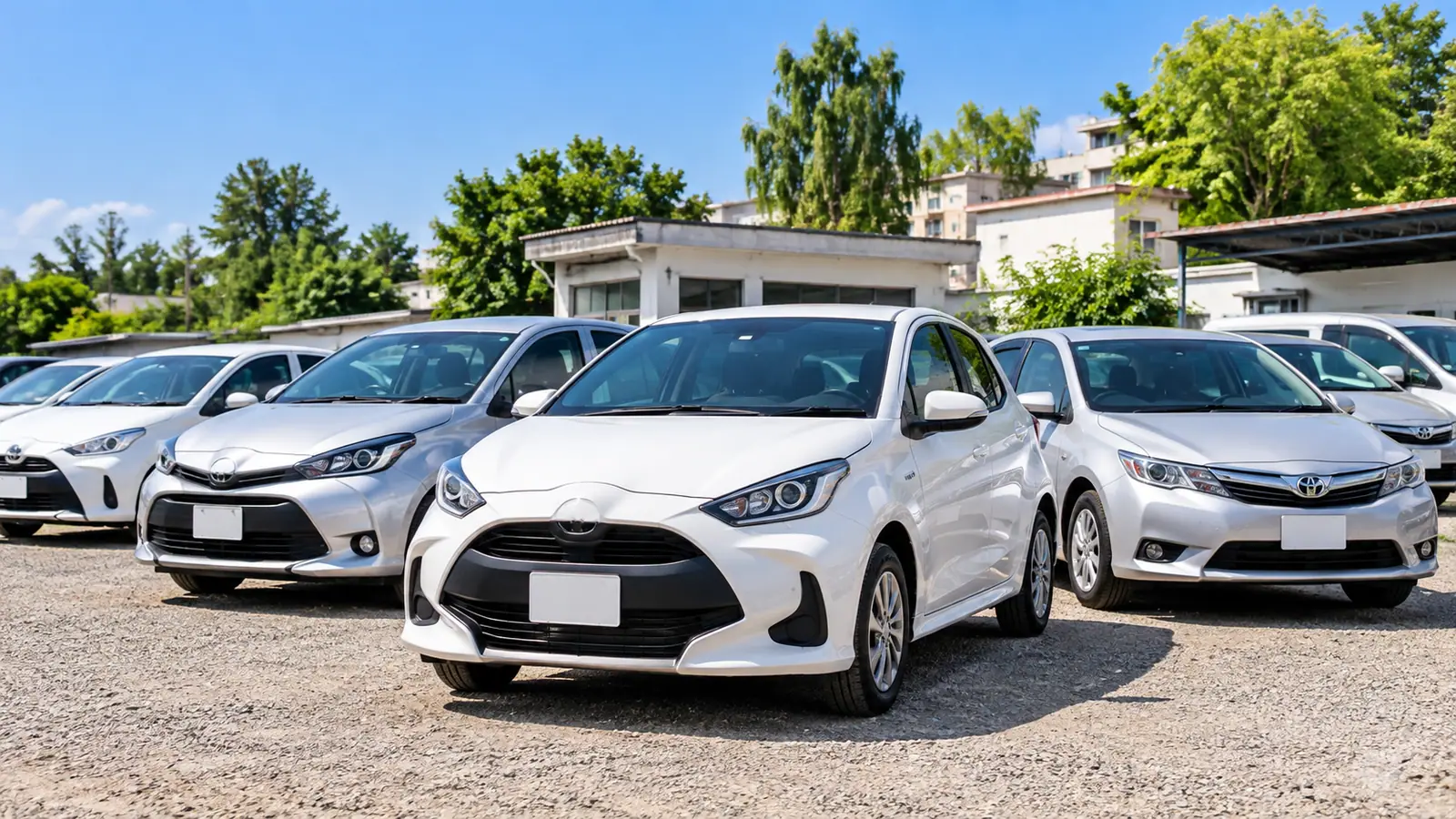
LAHORE: People who buy imported cars in Punjab will now have to wait one full year before the car can come into their name. The Punjab Excise, Taxation and Narcotics Control Department has started a new policy under which an imported vehicle stays registered in the name of the person who imported it for 12 months from the date of registration. The change was reported widely on Wednesday, September 30, 2026.
Until now, most imported cars changed hands very quickly. A car would arrive, get registered in the name of the overseas Pakistani whose passport was used to bring it in, and then be transferred to the real buyer soon after. That route is now closed in Punjab.
What the new rule says
Under the new policy, the first registration of an imported vehicle will be done only in the importer's name. The importer cannot transfer the car to anyone else until one year has passed from the registration date. Excise officials said the rule covers vehicles in all three categories that were in use: personal baggage, gift and transfer of residence.
The department has not left this to office staff alone. A check has been added to the computer system that keeps vehicle records. If anyone tries to transfer an imported car before the year is complete, the system will block it. In the past, cars in these three categories could be transferred as soon as they were registered.
Officials say imported vehicles make up about 20 percent of all vehicle registrations in Punjab on average. In simple words, roughly one out of every five vehicles registered in the province is imported.
Where the rule came from
The one year lock started at the federal level. On January 15, 2026, the Ministry of Commerce issued SRO 61(I)/2026, which changed the Import Policy Order 2022. It ended the personal baggage scheme for used cars completely, leaving only the gift and transfer of residence schemes for overseas Pakistanis. It also said vehicles brought in under these two schemes cannot be sold or transferred for one year.
The same order raised the gap between two imports by the same person from 700 days to 850 days. Cars must be no more than three years old. Under the transfer of residence scheme, the car must now come from the country where the overseas Pakistani actually lives. Cars in both schemes must also meet the same safety and environment standards as commercial imports.
The government said these schemes were being misused. Reports said traders paid overseas Pakistanis around Rs 200,000 to use their passports, paid for cars through hundi and hawala, and then sold the cars in the open market. A one year wait makes this business much harder, because a trader can no longer sell a car quickly after it lands.
Registration and transfer, however, are handled by each province. PakWheels reported that Punjab's Directorate General of Excise sent the federal order to its regional offices only on August 21, 2026, and the Lahore Region C office told its motor registering authorities to follow it on September 3. This means that for most of 2026, some imported cars in Punjab were still transferred without any waiting period. The new system check is meant to close that gap.
What it means for buyers and sellers
For ordinary buyers, the biggest change is simple. Before you pay for an imported car, find out when it was registered and under which scheme it came. If one year has not passed since registration, the car cannot legally come into your name. Vehicle details can be checked through the Punjab Excise online verification service.
Some sellers may offer such cars on an "open letter", where the buyer drives the car while the papers still show the importer as the owner. The Excise Department has discouraged this for years. Since January 2022, every car transfer in Punjab has needed biometric verification of both buyer and seller. A buyer who drives a car in someone else's name for a year carries real risk, because in the eyes of the law the importer is still the owner.
Car market watchers also say these vehicles may be harder to finance through banks and harder to resell during the first year. People who already hold such cars and planned a quick sale will now have to wait.
The market being affected is not small. According to PakWheels, overseas Pakistanis imported around 40,000 vehicles in fiscal year 2025 and paid an estimated 500 million dollars in duties and taxes. About 90 percent of these were small 660cc Japanese hatchbacks.
Revenue loss and what comes next
Excise officials have openly said the policy may hurt the department's income. Each time a car changes owners, the department collects a transfer fee. Imported cars were often transferred right after registration, so they brought in extra money quickly. With transfers now pushed back by a year, officials expect a significant fall in this revenue. The federal commerce ministry has also said imports under the tighter schemes could go down.
The federal government is steering buyers toward a different route. Commercial import of used cars by registered companies opened in September 2025, and from July 1, 2026 the age limit on these imports was removed, as long as the cars meet safety and environment standards. The extra regulatory duty on such imports was cut from 40 percent to 30 percent from the same date, with further cuts planned in the coming years. Dealers say cars brought in this way cost more. The one year lock announced by Punjab officials covers the personal baggage, gift and residence categories.
For now, the message from the Excise Department is clear. Anyone planning to buy an imported car in Punjab should first check its registration date and import scheme, and only pay once they are sure the car can be transferred into their name.