
Basant 2027: Maryam Nawaz Approves 10-Day Festival in Lahore
Lahore will celebrate Basant for ten days in 2027, from January 29 to February 7, with stronger safety rules promised.
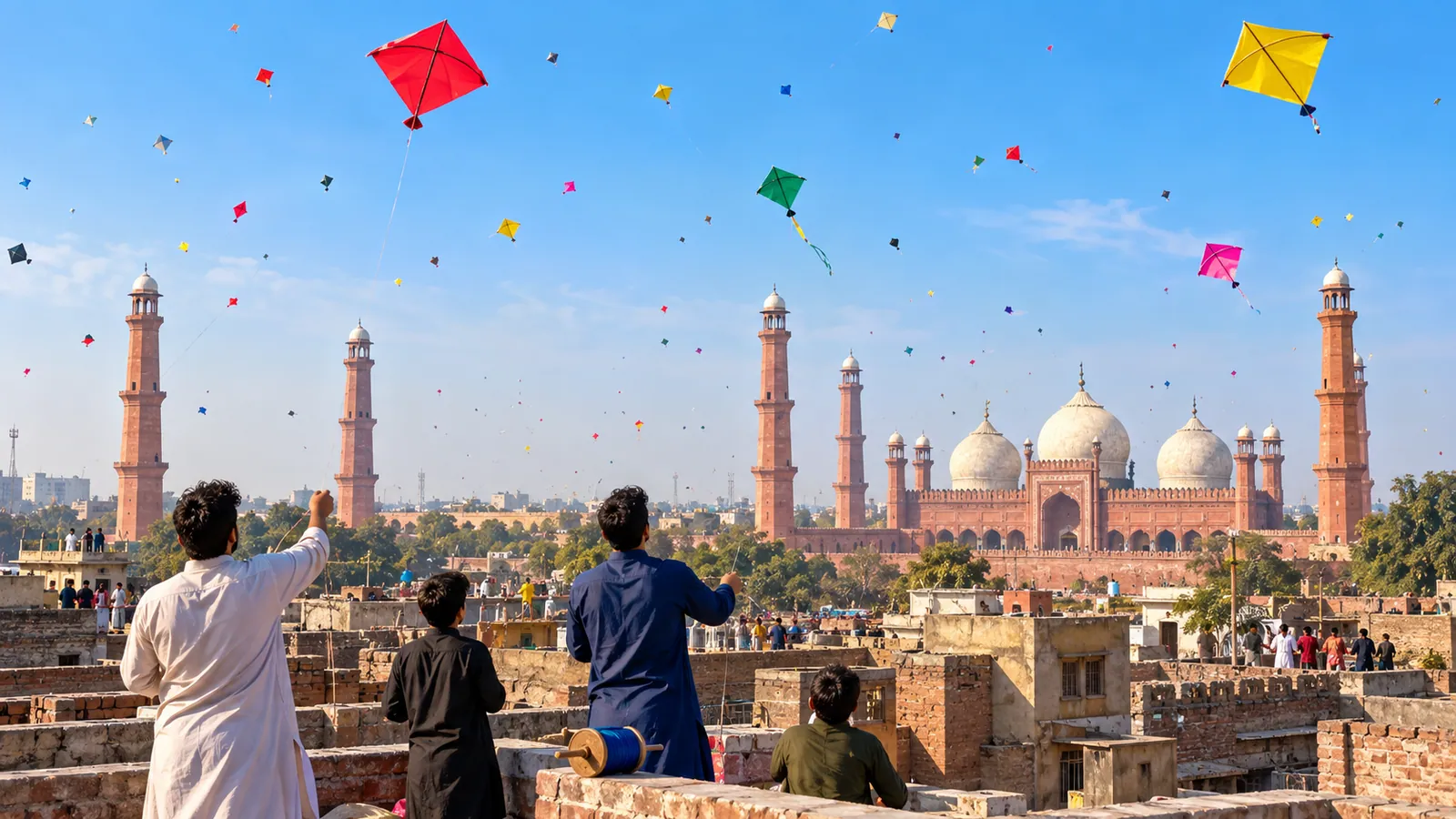
Punjab Chief Minister Maryam Nawaz Sharif has approved a 10-day Basant festival in Lahore for next year. Under the new plan, the festival will run from January 29 to February 7, 2027, with a one-day break on February 5 for Kashmir Solidarity Day. The chief minister has also told officials to put in place stronger safety arrangements than the ones used at this year's festival.
This is a big change from the plan announced only six weeks ago. On August 18, Maryam Nawaz had said in a post on X that Basant 2027 would be held for three days, from March 12 to 14. The new schedule moves the festival six weeks earlier and makes it about three times longer.
What the New Schedule Means
The festival window starts on Friday, January 29, and ends on Sunday, February 7. Kashmir Day falls on Friday, February 5, and that day will be kept free of Basant. With this schedule, Lahore will get two full weekends of Basant inside the same festival period.
The chief minister said the longer festival will show Punjab's culture and Lahore's old traditions to people around the world. She asked citizens to act responsibly and help protect human lives. She said people should show the same cooperation that officials and residents showed during this year's Basant.
Some important details have not been announced yet. The government has not said whether there will be any public holidays, what hours kite flying will be allowed each day, or when the official notification will be issued. Last year, the Lahore district administration issued a formal notification that set the dates and the rules for the festival.
How Basant Returned in 2026
Kite flying was banned in Punjab in the mid 2000s after many deaths and injuries. Strings coated with metal or chemicals cut the throats of motorcyclists and people on the roads, and celebratory firing also took lives. The Punjab Assembly passed the Punjab Regulation of Kite Flying Bill on December 24, 2025, which gave the legal cover for the festival to return. The government called it the first Basant in 25 years.
The festival was held in Lahore only, from February 6 to 8, 2026, as a pilot project. Only cotton string made of nine threads was allowed. Nylon, plastic and metal strings were banned, and breaking the rules could bring up to five years in jail and a fine of up to Rs5 million. Kite size was fixed at 35 by 30 inches, and all makers and sellers had to register through the government's e-Biz app.
More than 700,000 motorcycles in Lahore were fitted with safety rods before the festival. The government made travel free on 419 buses, the Metro Bus, the Orange Line train and 6,000 Yango rickshaws. Police said more than 10,000 officers were on duty across the city. On the last day, the chief minister extended the celebrations until 5am on Monday, saying people had followed the rules.
The Human Cost of Last Basant
The festival was not free of tragedy. In February, the Punjab Home Department told the Lahore High Court that at least 17 people died during the three days. According to that report, 12 people died after falling from rooftops, three were electrocuted and two fell from trees. More than 100 accidents were reported, and later reports citing the Home Department said more than 160 people were injured.
Lawyer Azhar Siddique took the matter to the Lahore High Court. He argued that the government's report did not include full data on people hurt by kite strings. His petition also said many children were injured after falling from rooftops or climbing electricity poles to catch kites.
These numbers explain why the chief minister has asked for tighter safety this time. Most of last year's deaths were caused by falls and electric shocks, not only by sharp strings. A longer festival also means more days on which such accidents can happen, so the new safety plan will be watched closely.
What It Means for Kite Makers and Business
Basant also brought money into Lahore. Government estimates say the festival created Rs3 billion to Rs4 billion in economic activity, with kite and string sales alone worth about Rs2 billion to Rs2.5 billion. More than 5,000 vendors were allowed to sell kites and strings.
Many buyers could not find kites and strings in 2026 because makers had very little time to prepare stock. In August, kite makers' leader Khawaja Nadeem Wain said manufacturers need at least four months to make enough supplies, and he asked for licences to be issued early. The licence application process has already started, and the Parks and Horticulture Authority has begun planning decorations for the city's main roads.
The new dates make that timeline much tighter. There are now about four months left until January 29, compared with more than five months until the earlier March 12 date. Kite makers, sellers, hotels and transport operators in Lahore will need quick decisions from the government to be ready in time.
What Happens Next
Kite flying is still illegal in Lahore outside the notified festival days, and it remains banned in other districts of Punjab. Police data given to the court showed that from January 1 to February 8, 2026, Lahore police registered 1,926 cases, arrested 2,030 people and seized more than 105,000 kites. Citizens should not start flying kites early, as the law still applies.
The government is yet to share the full safety plan, the rules for sellers and the traffic arrangements for the 10-day festival. After this year's event, the chief minister had spoken about taking Basant to other cities of Punjab, but the plan approved for 2027 covers Lahore only.